

Finding the Right Chronic Fatigue Treatment in Utah
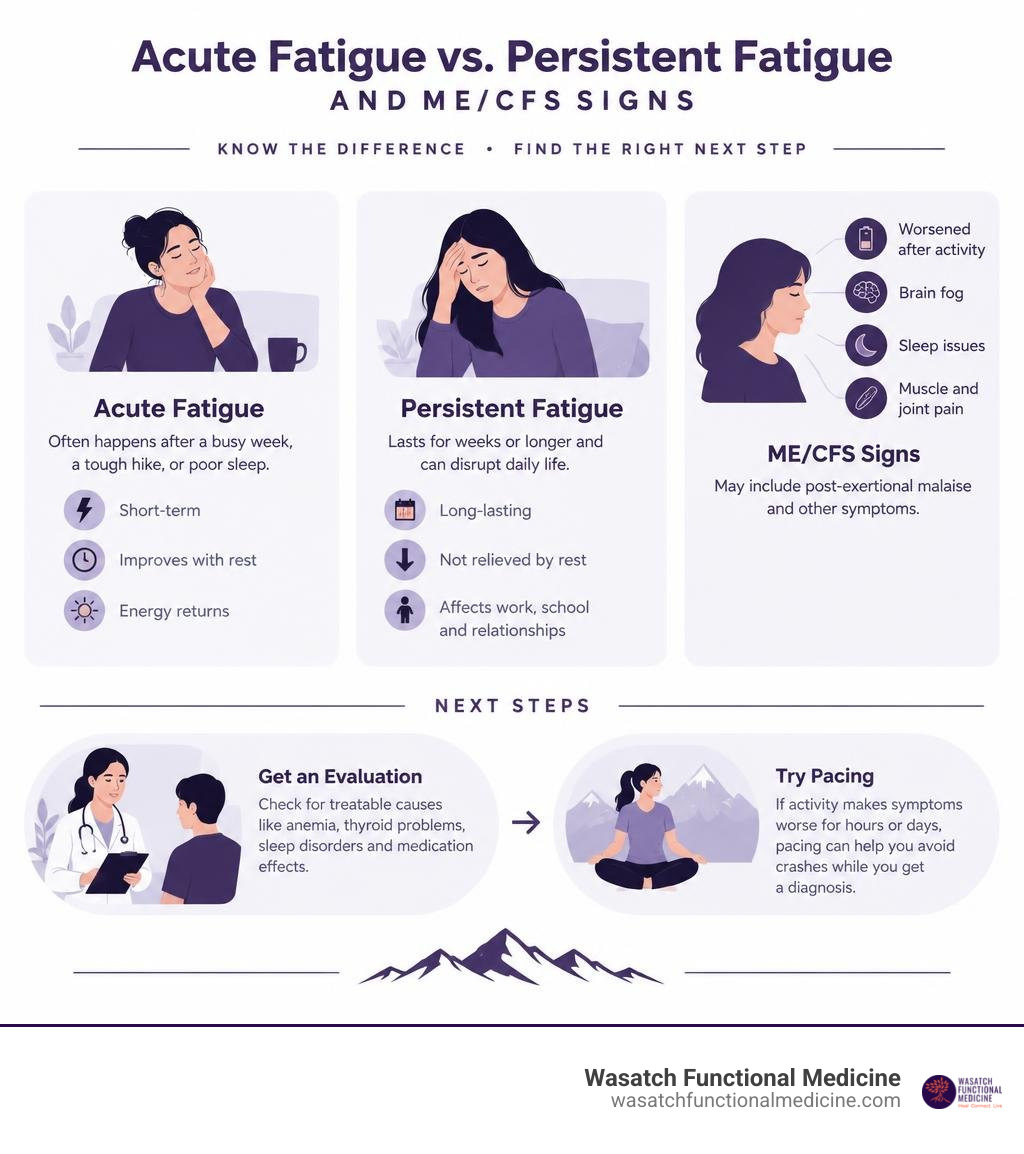
Start with an evaluation, not a treatment package. If exhaustion keeps disrupting your life, a Utah clinician can check for treatable causes such as anemia, thyroid problems, sleep disorders, and medication effects. If activity makes your symptoms worse for hours or days, tell your clinician. That pattern, called post-exertional malaise, can be a sign of myalgic encephalomyelitis/chronic fatigue syndrome (ME/CFS). Pacing activity may help you avoid crashes while you seek a diagnosis.
Persistent fatigue is not always ME/CFS, and there is no single test or treatment that works for everyone. This guide explains what to ask about, how care may differ by diagnosis, and where lifestyle support fits in.
Understanding Chronic Fatigue Syndrome vs. Everyday Exhaustion
We all know what it feels like to run out of steam after a hectic workweek, an intense hike in the Wasatch Mountains, or a poor night of sleep. Normal tiredness is physiological: after adequate rest, wholesome meals, and a little downtime, your energy levels bounce back.
Chronic Fatigue Syndrome—clinically designated as Myalgic Encephalomyelitis/Chronic Fatigue Syndrome (ME/CFS)—is entirely different. It is not an issue of willpower or simply “being busy.” It is a complex, multisystem neuroimmune condition characterized by profound, unyielding exhaustion that does not resolve with rest and significantly impairs your ability to engage in everyday activities.
| Feature | Everyday Burnout / Acute Fatigue | Chronic Fatigue Syndrome (ME/CFS) |
|---|---|---|
| Response to Sleep | Restorative; a good night’s sleep yields noticeable improvement. | Unrefreshing; waking up feels just as exhausting as going to bed. |
| Response to Exertion | Temporary tiredness followed by normal recovery within hours. | Post-Exertional Malaise (PEM); severe symptom crashes lasting days or weeks. |
| Cognitive Symptoms | Mild, temporary absentmindedness during acute stress. | Noticeable “brain fog,” slowed processing speed, word-finding challenges. |
| Physical Pain | Muscle soreness tied to physical overwork that resolves quickly. | Widespread, migratory muscle/joint aches, headaches, lymph node tenderness. |
| Duration | Days to a few weeks, clearing when life stressors ease. | Persists for more than six months and is often debilitating. |
The defining hallmark of ME/CFS is post-exertional malaise (PEM). Unlike normal fatigue, where light movement often gives you an energy boost, PEM causes a severe physiological crash after even minor physical, mental, or emotional effort. A simple grocery trip or answering detailed emails can trigger a cascade of muscle pain, feverish sensations, cognitive dysfunction, and bedbound exhaustion 12 to 48 hours later.
According to established clinical criteria for chronic fatigue syndrome, a diagnosis requires substantial reduction in functional capacity for at least six months, post-exertional malaise, unrefreshing sleep, and either cognitive impairment or orthostatic intolerance (symptoms worsening upon standing upright).
When to Seek a Clinical Evaluation
It is easy to dismiss persistent low energy as an inevitable byproduct of a demanding schedule. However, you should seek professional evaluation when exhaustion starts dictating your life choices.
You should schedule a comprehensive medical workup if you experience:
- Severe fatigue that has persisted for more than six months and cannot be explained by known lifestyle factors.
- A sudden, noticeable drop in your baseline physical or cognitive performance at work, school, or home.
- “Red flag” systemic symptoms, including unexplained weight changes, night sweats, persistent low-grade fevers, swollen lymph nodes, or persistent muscle weakness.
- Lightheadedness, rapid heart rate, or dizziness whenever you stand up from a seated position.
- Widespread joint or body pain that interferes with your daily movement.
A clinical assessment helps rule out other major medical conditions that mimic chronic fatigue, such as untreated autoimmune disorders, sleep apnea, severe anemia, chronic viral reactivations, or endocrine failures.
Uncovering the Root Causes: Why Persistent Fatigue Occurs

When conventional lab panels come back “normal,” patients are frequently told that nothing is physically wrong. In functional healthcare, we recognize that “normal” reference ranges often reflect broad population averages rather than optimal cellular function. Persistent exhaustion is a biological signal that one or more physiological systems are operating under severe distress.
At our South Ogden clinic, our approach to functional medicine investigates the interconnected mechanisms driving system-wide energy depletion:
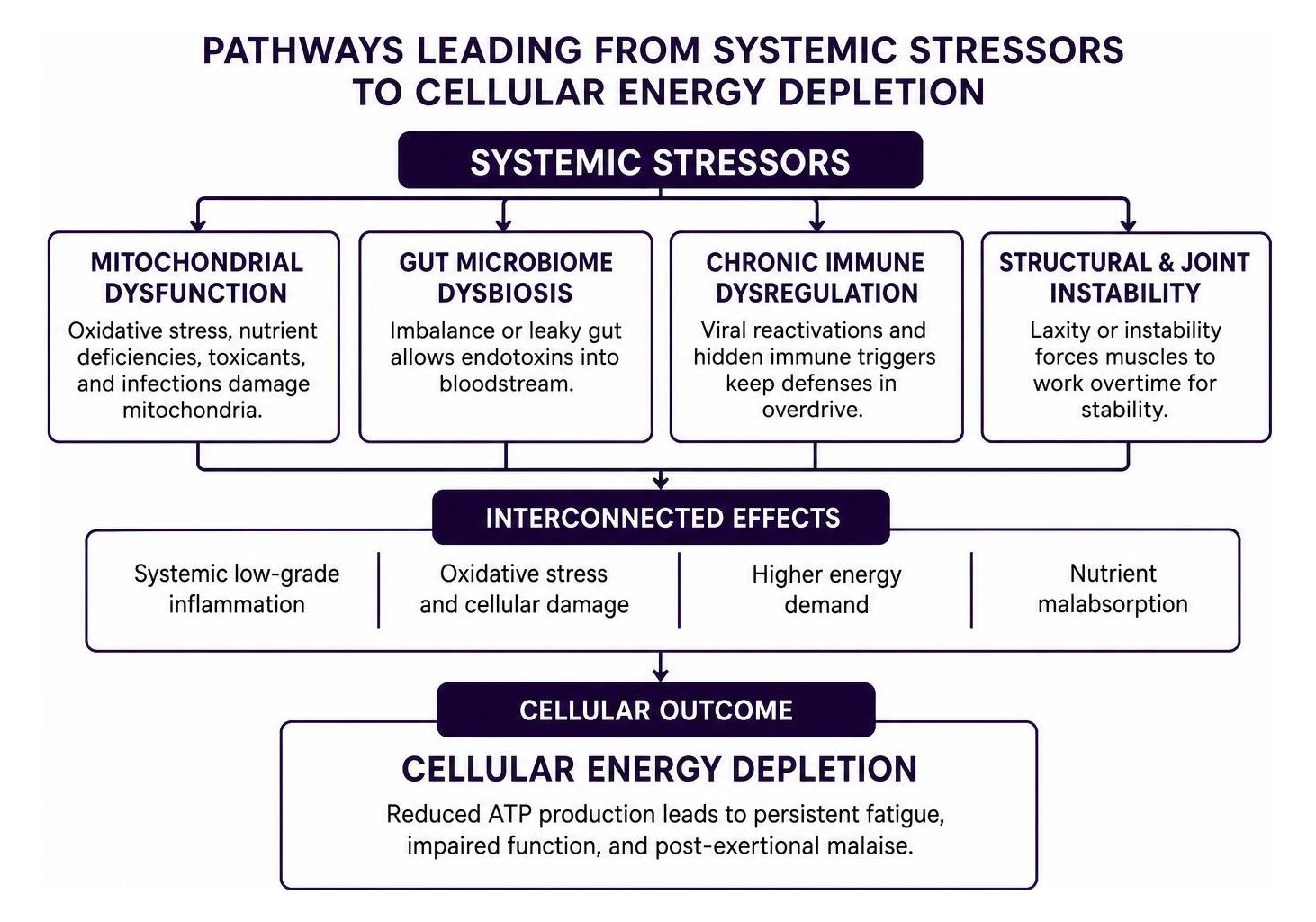
- Mitochondrial Dysfunction: Mitochondria are the microscopic power plants inside your cells, generating adenosine triphosphate (ATP) to fuel every bodily process. Chronic oxidative stress, nutrient deficiencies, environmental toxicants, and persistent infections can damage mitochondrial membranes, throttling energy production at the cellular level.
- Gut Microbiome Dysbiosis: The health of your gastrointestinal tract directly impacts immune balance and systemic vitality. An imbalance in gut flora or intestinal permeability (leaky gut) permits bacterial endotoxins into the bloodstream, triggering systemic low-grade inflammation that signals the brain to conserve energy.
- Chronic Immune Dysregulation: Persistent low-level viral reactivations (such as Epstein-Barr virus) or hidden immune triggers keep your defense systems in perpetual overdrive, consuming massive amounts of metabolic fuel.
- Structural & Joint Instability: Undiagnosed chronic ligament laxity or persistent joint instability forces the surrounding musculature to work overtime just to keep your body stable and upright. This constant compensatory tension consumes baseline energy and feeds continuous inflammatory signals back to the central nervous system.
Endocrine Imbalances and Hormonal Health
The endocrine system orchestrates how your body utilizes energy throughout the day. When the hypothalamic-pituitary-adrenal (HPA) axis is chronically stimulated by physical or emotional stressors, your natural cortisol rhythm becomes disrupted. This leads to morning sluggishness, afternoon energy crashes, and sleep-disrupting “second winds” late at night.
Sex hormone shifts also play a major role in cellular energy and mental clarity. Low testosterone or androgen imbalances can cause severe lethargy, muscle wasting, and reduced drive; our clinical protocols for hormones for men address these specific pathways. Similarly, estrogen dominance, progesterone depletion, and subtle thyroid conversion issues can drain vitality and worsen brain fog, areas we focus on within our dedicated protocols for women’s wellness.
Metabolic and Weight Management Factors
Metabolic flexibility—the cellular ability to seamlessly switch between burning carbohydrates and fats for fuel—is vital for steady, all-day stamina. Insulin resistance and persistent blood sugar spikes cause severe energy dips, leaving cells starved for usable fuel even when caloric intake is high.
Addressing these underlying metabolic bottlenecks through sustainable weight loss and metabolic balancing reduces systemic inflammation and relieves the cellular stress that perpetuates chronic exhaustion.
Comprehensive Options for Chronic Fatigue Treatment Utah Patients Need
Overcoming debilitating fatigue requires moving past temporary band-aids like high-dose caffeine or synthetic stimulants, which only drain your underlying adrenal and mitochondrial reserves further. Finding effective chronic fatigue treatment Utah residents can rely on means taking an integrative, root-cause approach designed to rebuild cellular resilience from the inside out.
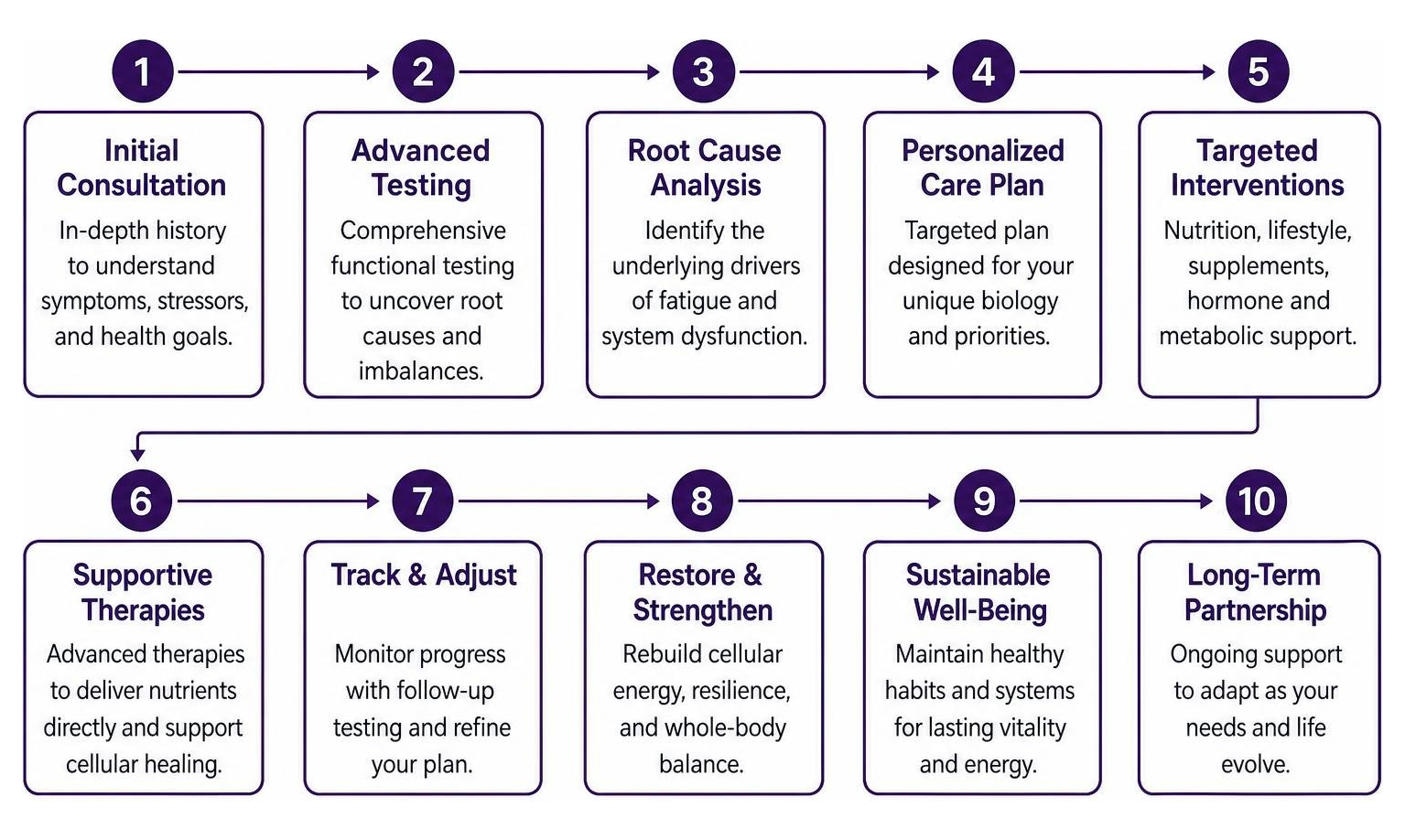
When you look into why functional medicine is right for you, you discover an approach that pairs advanced functional diagnostic testing with personalized interventions. By mapping your genetics, micronutrient status, organic acids, gut microbiome, and hormone metabolites, we create a precise roadmap tailored to your unique biology.
Advanced Therapies in Chronic Fatigue Treatment Utah Clinics Offer
To jumpstart healing, patients often benefit from targeted supportive modalities that bypass compromised digestive pathways and deliver therapeutic nutrients directly to depleted cells:
- Targeted Micronutrient Infusions: Oral supplements can take weeks to absorb, especially if gut inflammation is present. Utilizing customized IV therapy delivers high-dose B vitamins, magnesium, vitamin C, amino acids, and cellular cofactors directly into the bloodstream for immediate cellular uptake.
- Cellular Cofactor Support (NAD+): Nicotinamide adenine dinucleotide (NAD+) is an essential coenzyme found in all living cells, critical for mitochondrial ATP production and cellular repair mechanisms.
- Integrative Pain Management: For patients whose fatigue is compounded by musculoskeletal pain, fibromyalgia, or ligament instability, collaborative pain therapies help quiet overactive pain pathways, restoring functional mobility without triggering post-exertional crashes.
Choosing the Right Provider for Chronic Fatigue Treatment Utah Residents Trust
Navigating chronic illness can feel overwhelming, especially when energy is in short supply. When selecting a clinical team in Utah, look for providers who:
- Listen to Your Full Health History: Your story holds crucial clues. A quality provider spends time understanding the timeline of your symptoms, past infections, and environmental exposures.
- Offer Deep-Dive Laboratory Testing: Look beyond standard basic bloodwork to include comprehensive hormone panels, metabolic markers, microbiome analysis, and nutrient evaluations.
- Emphasize Multidisciplinary, Personalized Care: Avoid one-size-fits-all symptom protocols in favor of targeted plans that respect your pacing limits and cellular capacity.
- Provide Local, Ongoing Support: Having direct access to a dedicated team in South Ogden ensures your plan can adapt as your energy returns and your body heals.
Lifestyle Medicine, Pacing, and Rehabilitation Strategies
Medical interventions provide the biological foundation, but daily lifestyle habits protect your recovery and keep you from falling back into the push-and-crash cycle.

- Restorative Pacing (The Energy Envelope): The cornerstone of managing post-exertional malaise is pacing. Think of your daily energy as a battery that only charges to 50%. If you spend 60% of your energy on a good day, you will crash. Pacing means planning your activities so you stay within your available “energy envelope,” taking preemptive rest breaks before exhaustion hits.
- Sleep Architecture Optimization: Getting eight hours of sleep means little if your sleep lacks deep, restorative stages. Support your circadian rhythm by getting morning sunlight exposure, keeping your bedroom cool and dark, and cutting out screen blue light 90 minutes before bedtime.
- Anti-Inflammatory, Whole-Food Nutrition: Focus on clean proteins, healthy dietary fats (avocado, olive oil, wild fish), and diverse, colorful vegetables to provide antioxidants while stabilizing blood sugar. Avoid refined sugars and processed seed oils that drive neuroinflammation.
- Nervous System Regulation: Chronic illness often locks the autonomic nervous system into a perpetual fight-or-flight state. Practicing gentle breathwork, somatic tracking, and restorative meditation shifts your body into the parasympathetic (rest-and-digest) state essential for cellular repair.
- Gentle, Graded Reconditioning: Traditional heavy exercise is often counterproductive for ME/CFS. Instead, focus on light mobility, gentle stretching, and physical therapy aimed at restoring joint stability without pushing your heart rate into an anaerobic zone.
Frequently Asked Questions About Chronic Fatigue
How is chronic fatigue syndrome clinically diagnosed?
Because there is no single blood test for ME/CFS, diagnosis is clinical and exclusionary. A provider takes a detailed medical history to confirm that your symptoms meet standard diagnostic criteria—including at least six months of severe fatigue, marked post-exertional malaise (PEM), and unrefreshing sleep. Comprehensive laboratory work is performed to systematically rule out alternative explanations such as severe hypothyroidism, primary sleep apnea, chronic kidney disease, severe anemia, or active autoimmune conditions.
What is the difference between chronic fatigue and adrenal fatigue?
While everyday conversation often uses these terms interchangeably, they describe different concepts. “Adrenal fatigue” is an informal term used to describe stress-related exhaustion, but it is clinically recognized as Hypothalamic-Pituitary-Adrenal (HPA) axis dysregulation. This involves altered signaling between the brain and the adrenal glands, resulting in abnormal cortisol rhythms.
Chronic Fatigue Syndrome (ME/CFS), by contrast, is a formal, multi-system neurological and immune disorder involving cellular energy failure, neuroinflammation, autonomic dysfunction, and post-exertional crashes.
How long does functional recovery from chronic fatigue take?
Recovery timelines vary depending on how long symptoms have been present, the complexity of underlying root causes, and individual genetics. Because cellular restoration, gut healing, and nervous system recalibration take time, most patients see meaningful, step-by-step progress over 6 to 18 months of consistent, targeted care.
For more answers regarding our clinical approach and diagnostic methods, visit our frequently asked questions page.
Conclusion
Chronic fatigue is not an imagined state, nor is it a personal failing. It is a genuine, measurable biological condition that deserves thoughtful, comprehensive medical investigation. By identifying and resolving the root causes—from mitochondrial dysfunction and hormone imbalances to gut inflammation and joint instability—you can step out of the exhausting push-crash cycle and build lasting cellular energy.
At Wasatch Functional Medicine in South Ogden, we specialize in partnering with you to uncover why your body is struggling and create a personalized path forward. If you are ready to reclaim your clarity, physical resilience, and daily vitality, explore our root-cause approach and functional medicine care pathways to take the first step toward lasting wellness.