

How Functional Medicine for Eczema Can Help Calm Flare-Ups
Start with skin care, then look for patterns. Moisturize daily and follow your prescribed treatment plan. Track flare-ups alongside food, digestion, sleep, and stress. A functional medicine approach uses those patterns, your health history, and targeted tests when useful to build a practical plan. It may include more fiber-rich foods or correcting a confirmed nutrient deficiency, but it should not replace proven eczema care.
Eczema is more than an itchy rash. Flare-ups can disrupt sleep and daily life, while scratching can further weaken the skin barrier. The goal is to support that barrier and find changes you can stick with.
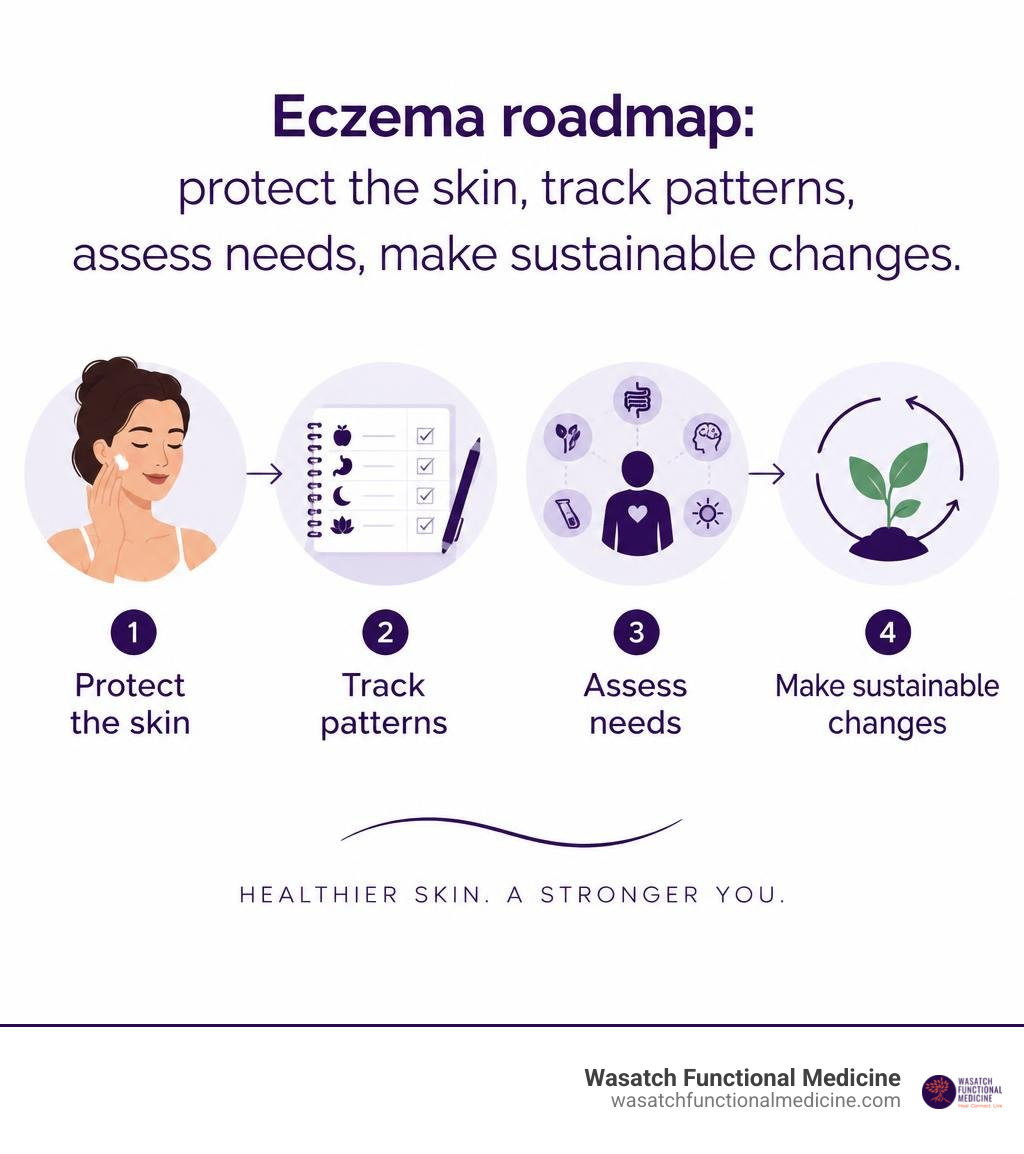
Across the globe, chronic eczema impacts roughly 10% of adults, frequently taking a severe toll on self-esteem, mood, physical comfort, and everyday productivity. When skin is chronically inflamed, cracked, or itchy, applying a quick layer of hydrocortisone may provide temporary relief, but it rarely answers the foundational question: Why is the immune system reacting this way in the first place?
At Wasatch Functional Medicine, we look past the surface rash to investigate systemic drivers like gut permeability, micronutrient gaps, chronic nervous system stress, and environmental triggers. By treating the whole body rather than suppressing individual symptoms, it becomes possible to build lasting skin resilience from the inside out.
How Functional Medicine for Eczema Differs from Symptom-Focused Care
Conventional dermatological care excels at managing acute crises. When an eczema flare is intolerable, topical corticosteroids, calcineurin inhibitors, or systemic biologics can quickly lower local inflammation and prevent secondary bacterial infections. However, these therapies often act as a temporary shield. Once the prescription runs out or creams are stopped, flare-ups frequently return because the underlying triggers remain untouched.
In contrast, practicing functional medicine means treating the skin as an external reflection of internal health. Rather than viewing eczema as an isolated skin condition, we consider it a systemic inflammatory condition presenting through the skin barrier.
| Feature | Conventional Symptom Management | Functional Medicine Approach |
|---|---|---|
| Primary Goal | Suppress active itch and clear surface lesions | Identify and resolve underlying inflammatory drivers |
| Main Tools | Topical steroids, antihistamines, immunosuppressants | Targeted nutrition, gut repair, lifestyle shifts, biomarker testing |
| View of the Body | Isolated organ systems (dermatology vs. gastroenterology) | Interconnected network (the gut-immune-skin axis) |
| Diagnostics | Visual assessment, basic allergy scratch panels | Comprehensive stool testing, fatty acid panels, micronutrient levels |
| Long-Term Plan | Ongoing symptom suppression and reactive medication | Restoring gut integrity, immune tolerance, and cellular nourishment |
By combining intelligent external skincare with internal root-cause resolution, we create personalized protocols that do not rely indefinitely on high-potency topical creams.
Uncovering Root Causes: The Gut-Skin Axis and Beyond
The skin and the gastrointestinal tract share a profound biological connection known as the gut-skin axis. Both organs serve as primary barriers against the outside world, both house complex ecosystems of microorganisms, and both communicate continuously with the immune system.
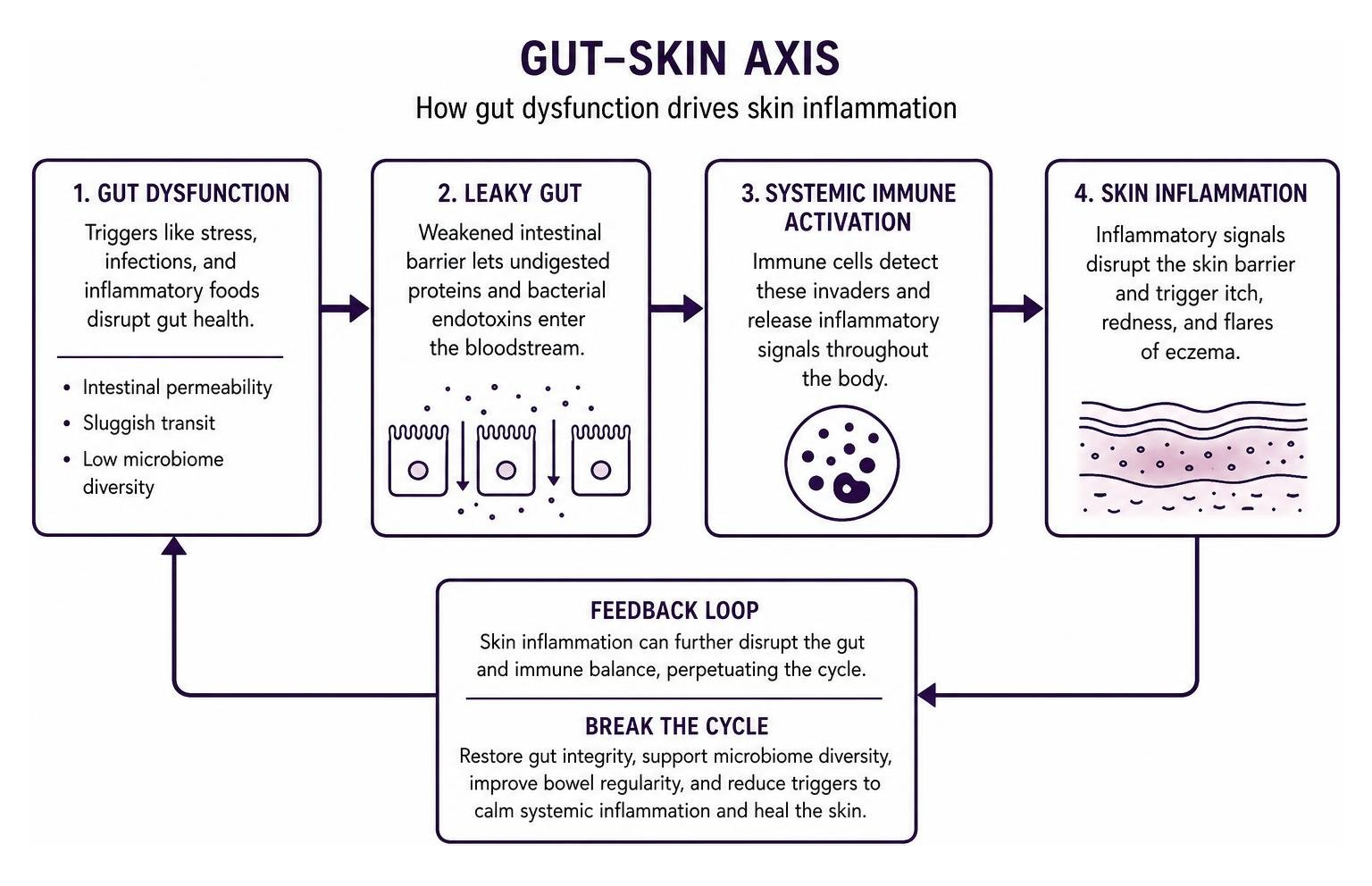
When gut health suffers, the skin is often the first place to show distress. A foundational concept in root cause medicine is evaluating how daily digestion influences systemic immunity:
- Intestinal Permeability (“Leaky Gut”): When the delicate lining of the small intestine is irritated by chronic stress, infections, or inflammatory foods, the tight junctions between intestinal cells loosen. Undigested food proteins and bacterial endotoxins (such as lipopolysaccharides) slip into the bloodstream, triggering systemic immune reactivity that presents as itchy, inflamed skin.
- Bowel Regularity and Detoxification: If waste sits in the colon for too long due to sluggish transit times, toxins and spent hormones can be reabsorbed into circulation. Improving bowel regularity to at least one well-formed elimination daily is often enough to noticeably reduce eczema severity.
- Microbiome Diversity: A lack of beneficial bacteria reduces the production of short-chain fatty acids (SCFAs) like butyrate, which are essential for calming immune responses and maintaining skin hydration.
Key Diagnostic Testing in Functional Medicine for Eczema
Guesswork can lead to unnecessary food restrictions and supplement fatigue. Learning why functional medicine is right for you often comes down to the clarity provided by objective, functional testing:
- Serum 25-Hydroxy Vitamin D: Evaluates baseline levels of this critical immune-modulating hormone.
- Omega-3 and Fatty Acid Profiles: Assesses the ratio of inflammatory arachidonic acid (AA) to anti-inflammatory eicosapentaenoic acid (EPA), providing an exact measure of cellular membrane health.
- Comprehensive Stool Analysis: Identifies dysbiosis, bacterial overgrowth, opportunistic pathogens, yeast, and markers of gut inflammation or digestive enzyme insufficiency.
- Targeted Food Sensitivity or Intolerance Panels: Helps differentiate true IgE-mediated allergies from IgG/IgA sensitivities, providing a roadmap for temporary dietary modifications without inducing anxiety around eating.
Critical Nutrient Deficiencies in Inflamed Skin
Healthy skin requires specific raw materials to maintain its lipid barrier, synthesize ceramides, and regulate inflammatory signals. When these nutrients fall below optimal ranges, the skin becomes dry, prone to cracking, and hyper-reactive.
- Vitamin D3: Far more than a bone nutrient, vitamin D modulates T-helper cell responses (balancing Th1, Th2, and Th17 pathways) and stimulates the production of antimicrobial peptides that protect eczema-prone skin from Staphylococcus aureus colonization.
- Omega-3 Fatty Acids (EPA & DHA): These essential fats incorporate directly into the phospholipid bilayer of skin cells, enhancing moisture retention and competing against arachidonic acid to lower inflammatory prostaglandin production.
- Zinc: A powerhouse mineral required for protein synthesis, cellular repair, and wound healing, zinc helps soothe active flares and rebuild damaged tissue.
Step-by-Step Dietary Strategies to Calm Flare-Ups
Food can serve as a primary trigger or a potent medicine. Rather than adopting an overly restrictive diet that leaves you stressed and hungry, our clinical experience shows that adding therapeutic, nourishing foods is far more effective for long-term healing.
A notable case study on food as remedy highlights how simple, targeted nutrition strategies—such as correcting fatty acid deficiencies and crowding out inflammatory staples—can transform chronic skin conditions into lasting vitality.

- Crowd Out Dairy Gently: Cow’s milk dairy is one of the most common dietary drivers of eczema flares due to its specific proteins (A1 beta-casein and whey) and natural growth factors. Instead of reaching for heavily processed, chemical-laden dairy substitutes—which can feel like eating rubbery “cheese-free cheese”—crowd out dairy with rich whole foods like unsweetened almond milk, coconut yogurt, creamy avocado, and blended cashew sauces.
- Adopt the “Three-Vegetable Dinner” Rule: Aim to include at least three distinctly colored, non-starchy vegetables on your dinner plate each night (such as steamed broccoli, roasted carrots, and sautéed rainbow chard). This practice floods the digestive system with polyphenols and prebiotic fibers that nourish beneficial gut bacteria.
- Incorporate Anti-Inflammatory Fats Daily: Actively introduce wild-caught oily fish (salmon, mackerel, sardines), freshly ground flaxseeds, chia seeds, extra virgin olive oil, and walnuts to support internal lipid production.
- Prioritize Prebiotic and Fermented Foods: Gradually introduce small amounts of sauerkraut, kimchi, or prebiotic fibers (like leeks, garlic, onions, and asparagus) to encourage short-chain fatty acid production in the colon.
Practical Implementation of Functional Medicine for Eczema Meals
Sustainable nutrition must fit into a busy everyday routine. Here is a simple framework for building skin-supportive meals without spending hours in the kitchen:
- Breakfast: Overnight oats prepared with gluten-free rolled oats, unsweetened almond milk, two tablespoons of ground flaxseeds, a scoop of clean collagen or plant protein, and a handful of wild blueberries.
- Lunch: Wild sardine or wild salmon mash on toasted gluten-free sourdough or sweet potato toast, layered with ripe avocado, microgreens, and a generous squeeze of fresh lemon juice.
- Dinner: Herb-roasted chicken thighs served alongside a roasted medley of Brussels sprouts, sweet potatoes, and purple cabbage drizzled with extra virgin olive oil.
- Strategic Hydration: Drink 16 to 20 ounces of filtered water with a pinch of unrefined sea salt upon waking before consuming any caffeine. Reducing caffeine intake or switching to organic decaffeinated coffee can also lower nervous system stimulation and reduce vascular flushing.
Lifestyle Interventions: Stress, Sleep, and Skin Barrier Repair
Skin health is inextricably tied to the autonomic nervous system. When the body remains locked in a chronic sympathetic (“fight-or-flight”) state, cortisol spikes disrupt gut barrier integrity, deplete secretory IgA, and trigger mast cells to release histamine directly into cutaneous tissue.

Emphasizing foundational holistic health practices gives your skin the recovery window it needs to heal:
- Vagus Nerve Stimulation & Breathwork: Dedicate five minutes twice daily to slow, diaphragmatic breathing (such as the 4-7-8 method) or box breathing. This shifts the body into a parasympathetic state, lowering systemic inflammation and supporting healthy digestive enzyme release.
- Evening Screen-Time Reduction: Blue light exposure after sunset halts melatonin production. Melatonin is a critical tissue antioxidant that orchestrates cellular repair while you sleep. Aim to turn off screens or wear blue-blocking glasses at least 60 minutes before bed.
- Anxiety Journaling: If nighttime itching is exacerbated by racing thoughts, spend five minutes writing down your mental checklist or worries before your head hits the pillow. Emptying your mind onto paper helps prevent the evening stress spikes that worsen the itch-scratch cycle.
- Non-Toxic Topical Skincare: Protect the external skin barrier while addressing internal drivers. Choose fragrance-free, ceramide-rich balms containing pure ingredients like colloidal oatmeal, jojoba oil, or shea butter, while avoiding harsh sulfates, artificial perfumes, and parabens.
Frequently Asked Questions About Functional Medicine for Eczema
How long does it take to see results with functional medicine for eczema?
Most individuals begin noticing subtle improvements—such as more consistent bowel movements, decreased itch intensity, and improved energy—within the first four to six weeks of targeted nutrition and gut support. Complete clearing of chronic, long-standing eczema typically requires three to six months as skin cells complete several turnover cycles and the gut microbiome re-establishes balance.
Do I need to eliminate foods forever to keep eczema away?
No. Functional medicine uses therapeutic elimination phases strictly as a temporary tool to quiet immune reactivity while the intestinal lining repairs. Once the gut barrier is restored and systemic inflammation drops, your body’s inflammatory threshold rises. Most patients can successfully reintroduce many whole foods without triggering flare-ups.
What is the first step in addressing the gut-skin axis?
The most impactful first step is establishing daily, complete bowel movements. Sluggish elimination allows inflammatory metabolites to recirculate, directly provoking skin flares. Increasing daily dietary fiber from whole plants, drinking adequate water before caffeine, and adding gentle magnesium glycinate or citrate can quickly optimize transit time.
Finding Lasting Skin Relief
Eczema does not have to be a lifelong sentence of flare-ups and temporary topical fixes. By viewing your skin as an outward messenger of your internal biology, you can identify the unique combination of nutrient deficiencies, gut imbalances, and lifestyle stressors driving your symptoms.
At Wasatch Functional Medicine in South Ogden, Utah, we specialize in creating individualized, root-cause health plans that empower you to rebuild your skin from the inside out. If you are ready to move beyond symptom suppression, explore our personalized functional medicine care and discover a clearer, healthier path forward.