

Can You Reverse Metabolic Syndrome Naturally?
Yes, many people can improve the risk factors that define metabolic syndrome. Start with a whole-food eating pattern, regular walking and strength training, consistent sleep, and stress management. A functional medicine approach looks at what may be driving your risk, then helps you build a plan you can stick with. Supplements may help in some cases, but they do not replace these habits or medical care.
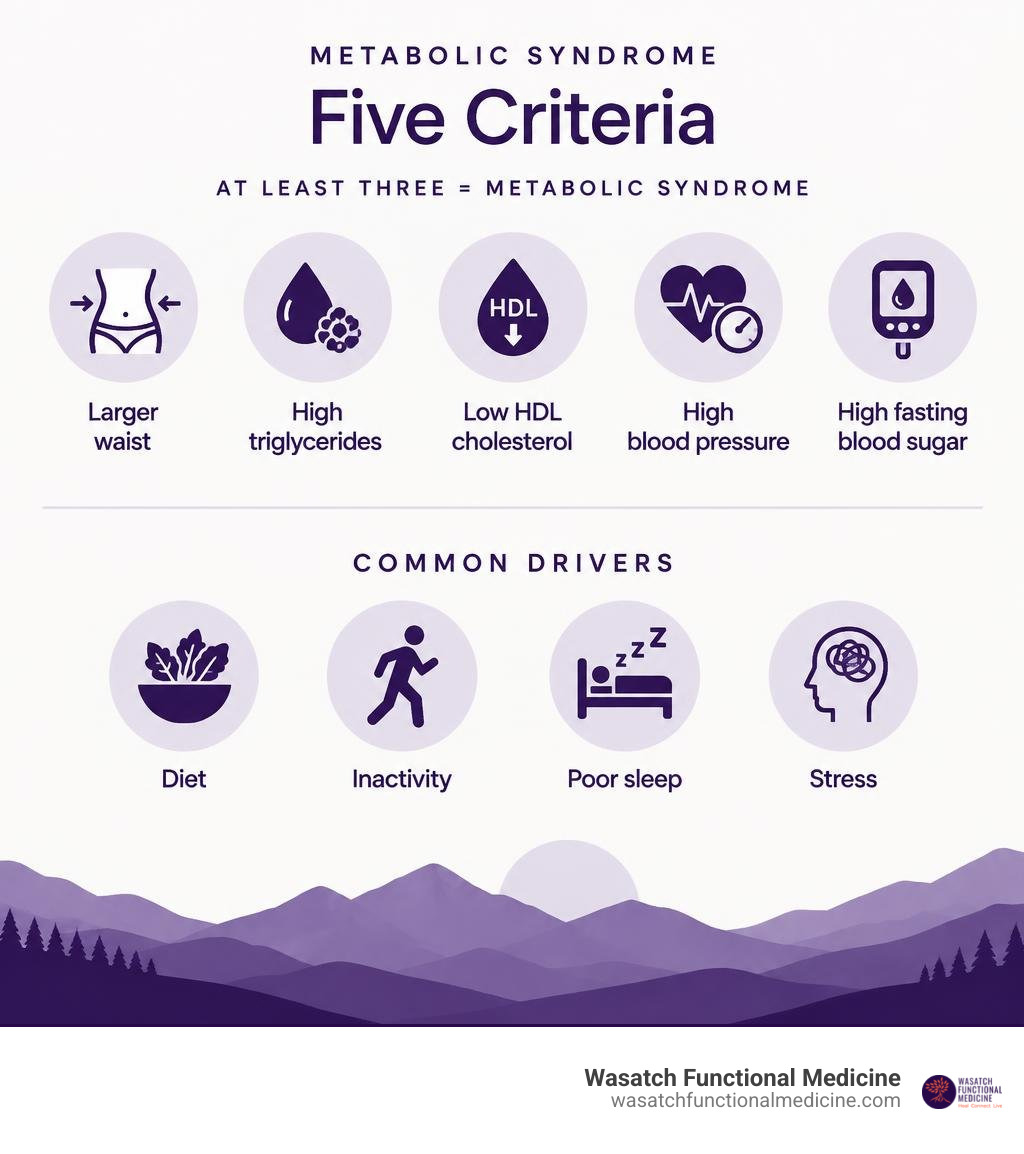
Metabolic syndrome means you have at least three of five risk factors: a larger waist, high triglycerides, low HDL cholesterol, high blood pressure, or high fasting blood sugar. It affects about one in three U.S. adults and raises the risk of type 2 diabetes and heart disease. The goal is to track those markers over time and make changes that fit your life.
Across the globe, the prevalence of metabolic syndrome ranges between 12.5% and 31.4%, depending on the specific diagnostic criteria used. In the United States, current data reveals a striking reality: only 7% of adults maintain optimal cardiometabolic health. Furthermore, having metabolic syndrome makes someone up to five times more likely to develop type 2 diabetes.
At Wasatch Functional Medicine, we look past isolated lab numbers. We recognize that these symptoms do not arise in a vacuum—they represent interconnected systemic disruptions spanning hormonal balance, gut integrity, mitochondrial energy production, and chronic low-grade inflammation. By resolving these fundamental drivers, natural cardiometabolic recovery becomes achievable.
Understanding Metabolic Syndrome: Diagnostic Criteria and Systemic Root Causes
In conventional clinical settings, cardiometabolic risk is often evaluated as a series of unrelated problems: high blood pressure is managed with an antihypertensive, elevated blood sugar with metformin, and dyslipidemia with a statin. However, understanding why functional medicine is right for you begins with recognizing that these symptoms stem from common root drivers.
Metabolic syndrome is not a standalone disease; it is a clinical cluster signaling that the body’s energy regulation, vascular tone, and lipid metabolism are under severe metabolic strain. Visceral adiposity—fat stored deep within the abdominal cavity around vital organs—acts as an active endocrine organ, secreting inflammatory cytokines and altering systemic signaling.
Defining the 5 Diagnostic Criteria for Metabolic Syndrome
A formal diagnosis of metabolic syndrome occurs when a patient meets at least three of the following five clinical benchmarks:
- Elevated Waist Circumference: Abdominal obesity defined as a waist measurement of 40 inches (102 cm) or more for men, or 35 inches (88 cm) or more for women.
- Elevated Triglycerides: Fasting serum triglyceride levels of 150 mg/dL or higher (or receiving drug treatment for elevated triglycerides).
- Reduced HDL Cholesterol: High-density lipoprotein (HDL) cholesterol below 40 mg/dL for men or below 50 mg/dL for women (or receiving drug treatment for low HDL).
- Elevated Blood Pressure: Systolic blood pressure of 130 mm Hg or higher, diastolic blood pressure of 85 mm Hg or higher, or current use of antihypertensive medication.
- Elevated Fasting Glucose: Fasting blood sugar of 100 mg/dL or higher, or being treated with medications for elevated glucose.
Insulin Resistance, Chronic Inflammation, and Hormonal Dysregulation
At the center of metabolic dysfunction lies insulin resistance. When cells throughout the muscle, liver, and adipose tissues are bombarded by continuous spikes in blood sugar, their insulin receptors downregulate. The pancreas compensates by producing higher volumes of insulin—a state called hyperinsulinemia (Patti et al., 2018).
Hyperinsulinemia forces the liver to convert excess glucose into fatty acids, driving up triglycerides and lowering protective HDL particles. Simultaneously, hyperinsulinemia stimulates the sympathetic nervous system and signals the kidneys to retain sodium, increasing blood pressure.
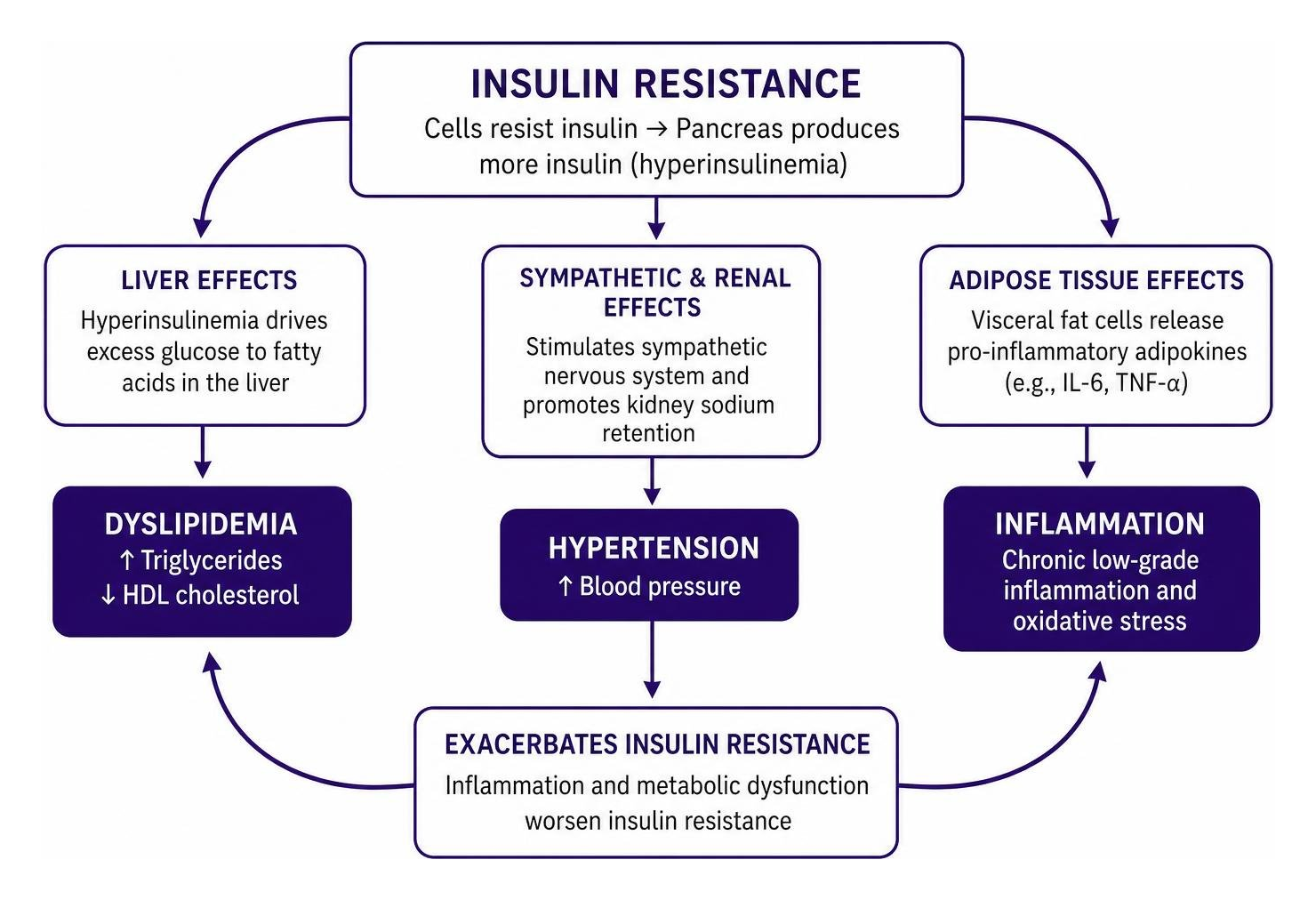
This metabolic strain fuels systemic oxidative stress and prompts visceral fat cells to release pro-inflammatory signaling proteins, known as adipokines (such as interleukin-6 and tumor necrosis factor-alpha). This persistent, low-grade inflammatory state interferes with thyroid function, adrenal output, and sex hormones. For many patients, addressing underlying endocrine health and balancing hormones naturally is an essential step in restoring healthy cellular metabolism.
The Core Principles of Metabolic Syndrome Functional Medicine Care
Functional medicine shifts the clinical paradigm from symptom suppression to systems biology. Rather than asking “Which drug matches this symptom?” we ask “Why is the physiology dysregulated, and what does the body need to restore homeostasis?”
| Dimension | Conventional Approach | Functional Medicine Approach |
|---|---|---|
| Primary Goal | Suppress individual symptoms and lower isolated biomarkers | Identify and resolve root causes of metabolic breakdown |
| Diagnostic Lens | Categorical (presence or absence of specific disease) | Systems biology (interconnected network of biological systems) |
| Treatment Modalities | Lifelong pharmaceuticals (statins, ACE inhibitors, metformin) | Nutrition, lifestyle medicine, nutraceuticals, circadian alignment |
| Weight Strategy | Caloric restriction (“eat less, move more”) | Comprehensive weight loss support targeting insulin, toxins, and hormones |
| Patient Relationship | Prescriptive and transactional | Collaborative therapeutic partnership with health coaching |
Systems Biology and the Functional Medicine Timeline
To uncover the true drivers of cardiometabolic breakdown, functional medicine uses structured organizational frameworks: the Functional Medicine Timeline and Matrix. We map a patient’s health history across three key categories:
- Antecedents: Genetic predispositions, family history of early vascular disease, or prenatal environments that set baseline metabolic tendencies.
- Triggers: Distinct events that initiate physiological decline, such as severe psychological trauma, acute viral infections, sudden hormonal transitions (like perimenopause or andropause), or courses of microbiome-altering antibiotics.
- Mediators: Ongoing contributors that sustain chronic inflammation and insulin resistance day after day. These include hidden food sensitivities, chronic toxic exposures (like endocrine-disrupting plastics and heavy metals), persistent circadian disruption, and emotional stress.
Clinical research highlights the power of functional interventions in metabolic health. For example, a clinical study on functional medicine and glycemic control demonstrated how personalized, whole-system lifestyle interventions can transform cardiometabolic care (Eldib et al., 2026).
Developing Personalized Therapeutic Strategies in Metabolic Syndrome Functional Medicine
No two patients arrive at metabolic dysfunction through the exact same pathway. One individual’s high blood sugar and dyslipidemia may stem from chronic gut dysbiosis and sleep apnea, while another’s may be driven by toxic burden, nutrient deficiencies, and prolonged hypothalamic-pituitary-adrenal (HPA) axis stress.
Applying metabolic syndrome functional medicine principles requires thorough assessments that go well beyond standard annual blood work. By evaluating fasting insulin, detailed lipid subfractions, high-sensitivity C-reactive protein (hs-CRP), continuous glucose dynamics, and micronutrient status, our functional medicine approach establishes an individualized roadmap tailored to each patient’s unique biochemistry.
Evidence-Based Lifestyle Interventions to Reverse Metabolic Dysfunction Naturally

Targeted lifestyle modification forms the cornerstone of cardiometabolic recovery. When matched to a patient’s individual biology, daily habits can rapidly restore insulin sensitivity, support mitochondrial health, and reduce visceral fat.
Anti-Inflammatory Nutrition, Gut Microbiome Health, and the Mediterranean Diet
Diets high in refined flours, added sugars, and industrial seed oils trigger postprandial endotoxemia and systemic inflammation. Transitioning to a Mediterranean-style dietary pattern rich in whole, nutrient-dense foods provides a proven antidote.
Key elements of this approach include:
- Abundant Dietary Fiber: Soluble and prebiotic fibers feed beneficial intestinal bacteria, which ferment these fibers into short-chain fatty acids (SCFAs) like acetate, propionate, and butyrate. SCFAs strengthen the intestinal lining, improve peripheral insulin sensitivity, and help regulate appetite.
- Microbiome Optimization: A 2025 cross-sectional study revealed that adults with higher dietary index scores for gut microbiota had significantly lower odds of developing metabolic syndrome.
- Polyphenol & Berry Consumption: Anthocyanins and polyphenols found in blueberries, blackberries, cranberries, and chokeberries protect vascular endothelium. A 2023 systematic review demonstrated that consistent berry intake improves serum lipid profiles and reduces systemic inflammatory biomarkers.
- Whole-Food Fats: Monounsaturated fats from extra-virgin olive oil, avocados, and pasture-raised sources support cellular membrane fluidity and improve cholesterol quality. In a study of subjects with metabolic syndrome, consuming adequate high-quality dairy foods (3.5 servings per day) for 12 weeks lowered lipid peroxidation markers—decreasing malondialdehyde and oxidized LDL by 35% and 11% at 7 days, with further improvements sustained through 12 weeks.
Restoring Circadian Rhythms, Optimizing Sleep, and Managing Chronic Stress
Metabolism operates on precise internal circadian clocks regulated by light, meal timing, and sleep cycles. When these rhythms are disrupted, metabolic health declines quickly. A 2022 meta-analysis found that healthcare shift workers face a twofold increased risk of developing metabolic syndrome compared to daytime workers due to circadian disruption.
Chronic psychological stress and sleep deprivation keep cortisol levels elevated late into the evening. Cortisol promotes gluconeogenesis (glucose production) in the liver and blocks insulin receptors on muscle tissue, driving up blood sugar even when fasting. Prioritizing 7 to 9 hours of quality sleep, aligning light exposure by getting sunlight in the morning, and practicing daily vagal nerve stimulation (such as breathwork or meditation) are practical tools to lower evening cortisol and restore metabolic balance.
Targeted Movement and the Role of Health Coaching in Long-Term Adherence
Exercise is a potent non-pharmacological tool for clearing glucose from the bloodstream. Muscle contractions activate GLUT4 glucose transporters via an insulin-independent pathway, improving cellular insulin sensitivity for up to 48 hours following a workout.
- Zone 2 Aerobic Training: Low-intensity, steady-state cardio (such as brisk walking, cycling, or swimming) trains mitochondrial efficiency and enhances cellular fat oxidation.
- Resistance Training: Lifting weights or using bodyweight resistance builds metabolically active lean muscle mass, creating a larger reservoir for glucose storage.
While the science of movement is straightforward, consistent follow-through can be challenging. This is where dedicated health coaching makes a difference. Health coaches work alongside patients to break large goals into small, daily habits, helping them navigate real-world barriers and build lifestyle changes that last.
Targeted Nutraceuticals and Supplements for Cardiometabolic Health

When layered onto a healthy lifestyle, evidence-based nutraceuticals provide targeted support for blood pressure, lipid metabolism, and insulin signaling (Patti et al., 2018). You can explore deeper insights into natural therapies by reading our functional medicine blog.
Polyphenols, Botanicals, and Omega-3 Fatty Acids for Metabolic Balance
- Green Tea Extract (EGCG): In a clinical study of obese hypertensive patients, green tea extract reduced systolic blood pressure from 145 ±10 mm Hg down to 141 ±8 mm Hg and diastolic blood pressure from 88 ±4 mm Hg to 84 ±3 mm Hg, while significantly decreasing waist circumference (Patti et al., 2018).
- Curcumin: Curcumin supports inflammatory balance and metabolic function. In overweight individuals with metabolic syndrome, curcumin supplementation increased weight loss from 1.88% to 4.91% and enhanced the percentage reduction of body fat from 0.70% to 8.43% (Patti et al., 2018).
- Quercetin & Pomegranate Juice: A meta-analysis of 7 randomized controlled trials revealed that quercetin supplementation reduced systolic blood pressure by 3.04 mm Hg and diastolic blood pressure by 2.63 mm Hg (Patti et al., 2018). Separately, daily pomegranate juice consumption lowered serum angiotensin-converting enzyme (ACE) activity by 36% and systolic blood pressure by 5% (Patti et al., 2018).
- Targeted Botanical Combinations: In a study of 78 patients with metabolic syndrome, a combination containing Curcuma longa, silymarin, guggul, chlorogenic acid, and inulin taken for 4 months significantly reduced body weight (from 81.1 kg to 79.4 kg) and waist circumference (from 105 cm to 102 cm) (Patti et al., 2018). Additionally, purified anthocyanins (300 mg/day for 2 months) lowered total cholesterol and reduced LDL cholesterol from 158.71 mg/dL to 146.21 mg/dL (Patti et al., 2018).
- Omega-3 Fatty Acids (EPA/DHA): In a 12-week clinical trial, 4 g/day of highly purified icosapent ethyl (IPE) reduced median triglyceride levels by 21.5% compared to placebo in high-risk patients (Patti et al., 2018). The JELIS trial demonstrated that adding 1.8 g/day of EPA to statin therapy led to a 19% relative reduction in major coronary events (Patti et al., 2018).
- Vitamin D: In a study of 47 prediabetic adults, 3 months of vitamin D supplementation significantly decreased waist circumference; participants whose serum 25(OH)D levels rose by more than 10 ng/mL achieved notable reductions in homeostatic model assessment of insulin resistance (HOMA-IR) (Patti et al., 2018).
Evaluating Potential Benefits and Limitations of Metabolic Syndrome Functional Medicine Supplements
While targeted botanicals and nutraceuticals offer measurable benefits, they must be used thoughtfully:
- Broad Omega-3 Cardiovascular Endpoints: A meta-analysis of 14 randomized controlled trials found that general, low-dose omega-3 supplementation did not reduce overall cardiovascular events across broad, unselected populations (RR = 0.99, 95% CI: 0.89–1.09) (Patti et al., 2018). Dose, purity, and clinical context are critical factors.
- Antioxidant Balance and Safety: High-dose isolated antioxidants are not always beneficial. In the Physicians’ Health Study II, long-term synthetic vitamin E supplementation was associated with an increased risk of hemorrhagic stroke (HR = 1.74, 95% CI: 1.04–2.91) (Patti et al., 2018).
- Bioavailability and Adherence: Botanical compounds like curcumin and green tea catechins often have poor natural bioavailability and require specialized delivery systems (such as phytosomes or piperine blends). Furthermore, complex protocols with numerous supplements can lead to pill fatigue and low adherence (Eldib et al., 2026).
Nutraceuticals work best as targeted, short-to-medium-term bridges alongside meaningful lifestyle changes—not as lifelong replacements for healthy daily habits.
Frequently Asked Questions About Metabolic Syndrome and Functional Medicine
Can you completely reverse metabolic syndrome with functional medicine?
Yes. Because metabolic syndrome is defined by a cluster of modifiable biomarkers (waist circumference, triglycerides, HDL, blood pressure, and fasting blood sugar), addressing underlying insulin resistance, chronic inflammation, and lifestyle factors can bring these metrics back into optimal ranges. When a patient no longer meets three of the five diagnostic criteria, the syndrome is considered clinically reversed.
How does gut health directly influence insulin resistance and metabolic markers?
A disrupted gut barrier (increased intestinal permeability or “leaky gut”) allows bacterial components, such as lipopolysaccharides (LPS), to pass into the bloodstream. This triggers metabolic endotoxemia, prompting immune cells to release inflammatory cytokines throughout the body. These circulating inflammatory signals disrupt insulin receptors on liver, muscle, and adipose tissues, directly contributing to systemic insulin resistance.
What lab tests are used in functional medicine to evaluate cardiometabolic risk?
In addition to standard lipid panels and fasting glucose, functional medicine clinicians frequently evaluate:
- Fasting Insulin and HOMA-IR: To detect insulin resistance years before fasting glucose climbs into prediabetic ranges.
- Advanced Lipoprotein Testing (ApoB and LDL Particle Number): To accurately measure the total number of atherogenic particles in circulation.
- High-Sensitivity C-Reactive Protein (hs-CRP): To evaluate systemic, low-grade vascular inflammation.
- Hemoglobin A1c (HbA1c): To assess average 90-day glycemic trends.
- Comprehensive Micronutrient and Vitamin D Panels: To ensure adequate cellular levels of key metabolic cofactors like magnesium, zinc, and 25-hydroxyvitamin D.
Conclusion
Metabolic syndrome is one of the most common health challenges today, but it does not have to be a permanent diagnosis. By identifying your unique underlying drivers—from hyperinsulinemia and chronic stress to gut dysbiosis and circadian disruption—you can systematically rebuild your cardiometabolic health.
True healing does not come from managing symptoms in isolation. It happens when you nourish your body with whole foods, move with purpose, prioritize restorative sleep, and use targeted botanical support where needed.
If you are ready to take control of your metabolic health with a personalized, root-cause plan, schedule your consultation with Wasatch Functional Medicine today.
Scientific References
Patti AM, Al-Rasadi K, Giglio RV, Nikolic D, Mannina C, Castellino G, Chianetta R, Banach M, Cicero AFG, Lippi G, Montalto G, Rizzo M, Toth PP. “Natural approaches in metabolic syndrome management..” Archives of medical science : AMS, 2018. PMCID PMC5868676. Eldib M, Hatipoglu B, Beidelschies M, Alejandro-Rodriguez M, Xiao H, Rothberg M, Hyman M, Zhou K. “A functional medicine approach to diabetes control and quality of life: an open-label randomized pilot study..” Journal of clinical & translational endocrinology, 2026. PMCID PMC13054257.