

Finding Autoimmune Disease Treatment in Utah
Start with a diagnosis, then match care to the condition. In Utah, that may mean a rheumatologist for swollen joints, a neurologist for unexplained muscle spasms or nerve symptoms, or another specialist for the organs affected. Treatment can include medicines that control inflammation or target parts of the immune system. Nutrition, sleep, and other lifestyle support may help alongside medical care, but they should not replace it.
New therapies being studied in Utah are promising, but results in mice do not mean those treatments are available to patients. This guide explains today’s care options, when to seek specialist help, and how personalized support can fit into a treatment plan.

Modern Autoimmune Disease Treatment Utah Options and Research
Living with an autoimmune condition often feels like your body has mixed up its internal security settings. Instead of protecting you from bacteria or viruses, your immune system mistakenly identifies your own tissues as threats. For decades, the primary answer from conventional medicine was broad immune suppression: turning down the volume on the entire immune defense network to quiet the self-destructive activity. While often life-saving, this carpet-bomb approach leaves people vulnerable to everyday infections and long-term side effects.
Fortunately, researchers and clinicians across the state are pioneering smarter ways to restore balance. Modern research centers are shifting focus from broad suppression toward selective depletion and precise immune checkpoint regulation. By learning how rogue immune cells evade natural shut-off switches, scientists are developing biological therapies designed to disarm harmful cells without leaving the rest of the immune system defenseless.
These translational breakthroughs are reshaping our understanding of clinical efficacy. By combining cutting-edge medical discoveries with comprehensive, whole-body care, finding effective autoimmune disease treatment in Utah has become more achievable than ever before.
Targeted PD-1 Immunotherapies and Novel Biologics
One of the most exciting breakthroughs in autoimmune research comes straight from academic labs here in Utah. Scientists at University of Utah Health have engineered an innovative therapeutic protein that targets the programmed cell death protein 1 (PD-1) pathway.
In healthy biology, PD-1 serves as an immune checkpoint—a natural brake that prevents immune cells from attacking healthy tissue. When autoimmune disease develops, rogue cells can bypass these controls. The newly engineered protein works like a tiny, highly targeted Trojan horse: it selectively locks onto hyperactive, PD-1-expressing immune cells and delivers a microscopic toxin payload to dismantle them, all while completely sparing normal immune cells.
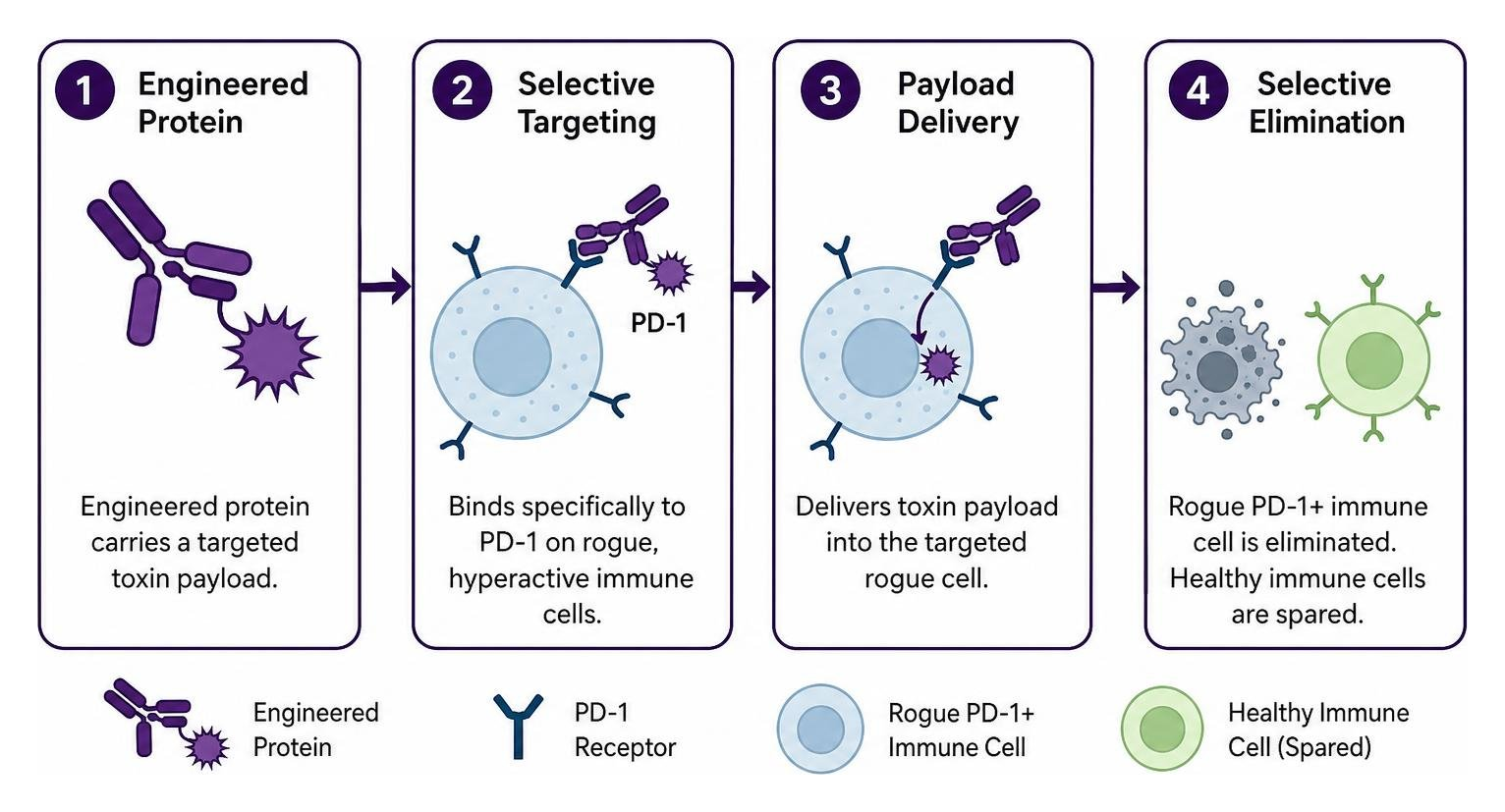
Preclinical animal models have demonstrated remarkable success:
- Type 1 Diabetes: In a mouse model of type 1 diabetes, the engineered treatment significantly delayed the onset of the disease from an average of 19 weeks of age to 29 weeks—a substantial 10-week delay in disease progression.
- Multiple Sclerosis (MS): In an experimental autoimmune encephalomyelitis mouse model (the standard preclinical model for MS), the therapy halted paralysis progression in all six treated subjects. Remarkably, the mice regained their ability to walk, experiencing no return of paralysis for 25 days following treatment.
While moving these multi-component biologics into human clinical trials requires adapting the protein with anti-human antibodies, this research highlights an encouraging shift toward preserving healthy immunity during autoimmune therapy.
Exploring Specialized Autoimmune Disease Treatment Utah Research Trials
Beyond laboratory models, Utah stands as a national hub for active clinical trials addressing severe, complex autoimmune conditions. Much of this clinical leadership is centered around specialized neurology initiatives.
The state is home to major clinical research initiatives such as the NIH-funded ExTINGUISH trial, led by Stacey L. Clardy | Neurology Department at University of Utah Health. This international, multi-center randomized study is evaluating targeted immunotherapy for NMDA receptor encephalitis, a serious condition where antibodies mistakenly attack synaptic receptors in the brain.
With one of the largest specialized autoimmune neurology faculties in the nation, local academic medical centers offer Utah residents direct access to groundbreaking clinical trials, advanced diagnostics, and subspecialty consultations that are simply unavailable in most regions of the country.
Understanding Autoimmune Neurological Disorders and Diagnosis
When autoimmune activity targets the central nervous system, symptoms can be baffling and frightening. Neuroinflammation can disrupt brain signaling, peripheral nerve function, and muscular control, leading to misdiagnoses that span everything from anxiety and fibromyalgia to Parkinson’s disease.
Arriving at an accurate diagnosis requires detailed autoantibody testing, high-resolution neuroimaging, electromyography, and thorough cerebrospinal fluid analysis. Differentiating between classic structural neurological disorders and antibody-mediated conditions ensures patients receive targeted immune therapies rather than symptom-masking sedatives.
Stiff-Person Syndrome and Antibody Diagnostics
A prime example of complex autoimmune neurology is Stiff-Person Syndrome: What is it and is it Common? | University of Utah Health . This rare neurological condition gained global awareness following Celine Dion’s public diagnosis, yet it remains one of the most underdiagnosed neuro-immunological disorders.
To understand the scope of this condition:
- Rarity: Stiff-Person Syndrome (SPS) is estimated to affect only about 1 in a million people.
- Demographics: It affects at least twice as many women as men, with clinical onset typically occurring between the ages of 30 and 60.
- Distinct Antibodies: Individuals with SPS usually present with 10 to 100 times the normal level of glutamic acid decarboxylase (GAD) antibodies in their bloodstream and cerebrospinal fluid.
SPS causes severe, fluctuating muscle stiffness in the trunk and limbs, alongside debilitating muscle spasms triggered by sudden noises, emotional distress, or light physical touch. Clinical specialists, including Dr. Clardy at Utah’s specialized Autoimmune Neurology Clinic (which manages care for roughly 50 SPS patients), utilize a two-pronged strategy: immediate symptom relief using muscle relaxants combined with long-term immune-modulating therapies like intravenous immunoglobulin (IVIG) or plasmapheresis to calm the underlying antibody attack.
Differentiating Autoimmune Joint Pain from Mechanical Arthritis
Joint pain is another common presentation where autoimmune disorders are frequently misunderstood. Millions of people suffer from achy joints, but assuming every sore knee or knuckle is ordinary “wear-and-tear” osteoarthritis can delay essential therapy.
Autoimmune joint conditions—such as rheumatoid arthritis, systemic lupus erythematosus, and psoriatic arthritis—are driven by systemic inflammatory markers and autoimmune attack against the synovial membranes. Leaving systemic joint inflammation untreated can result in irreversible joint erosion, tendon damage, and systemic organ involvement.
| Feature | Autoimmune Joint Inflammation (e.g., Rheumatoid Arthritis) | Mechanical Osteoarthritis |
|---|---|---|
| Primary Cause | Systemic immune attack on synovial lining | Mechanical wear, cartilage breakdown, joint aging |
| Symptom Pattern | Symmetrical (e.g., both wrists, both hands simultaneously) | Asymmetrical; localized to specific overused joints |
| Morning Stiffness | Severe, lasting longer than 45–60 minutes | Mild, typically resolves within 15–30 minutes of movement |
| Inflammatory Signs | Visible swelling, warmth, redness, and persistent throbbing | Deep aching pain; bony enlargements; minimal redness |
| Systemic Symptoms | Chronic fatigue, low-grade fever, malaise, weight changes | No systemic symptoms; pain is strictly localized |
| Laboratory Markers | Elevated ESR, CRP, positive RF, Anti-CCP, or ANA panels | Normal inflammatory blood markers; normal autoantibodies |
Functional Medicine Approaches to Restoring Immune Health
While conventional pharmaceuticals and biologics are critical for halting acute disease progression and suppressing dangerous inflammatory flares, managing autoimmune disease over a lifetime requires addressing the underlying triggers that provoked the immune system in the first place. This is where functional medicine plays a vital, complementary role.
At Wasatch Functional Medicine in South Ogden, Utah, we focus on identifying and correcting the root causes of systemic inflammation. Rather than simply asking, “What drug silences this symptom?” our clinical team asks, “Why did the immune system lose its regulatory tolerance, and what biological systems need support to restore balance?”
Holistic and Functional Autoimmune Disease Treatment Utah Clinics Provide
True immune resilience begins at the cellular and mucosal levels. Approximately 70% of the human immune system resides directly within the gut-associated lymphoid tissue (GALT). When the intestinal mucosal barrier becomes compromised—a state commonly known as increased intestinal permeability or “leaky gut”—undigested food proteins, bacterial endotoxins (such as lipopolysaccharides), and environmental chemicals leak into the bloodstream. This constant influx keeps the immune system on high alert, fueling systemic inflammation and molecular mimicry that can trigger autoimmune attacks.
Our comprehensive functional medicine protocols look at the whole picture to rebuild health from the ground up:
- Gut Microbiome Restoration: We evaluate microbial diversity, eradicate dysbiotic bacteria or yeast overgrowths, and repair the mucosal lining using targeted nutrients and peptides.
- Identifying Food Sensitivities: Pinpointing immune-reactive foods through advanced antibody panels relieves chronic dietary stress on the digestive tract.
- Environmental Toxin Clearance: Evaluating heavy metal burdens, mycotoxins from mold exposure, and chemical exposures that overburden liver detoxification pathways.
- Chronic Infection Screening: Identifying dormant, low-grade viral or bacterial triggers (such as Epstein-Barr virus or Lyme-associated co-infections) that constantly agitate immune surveillance.
- Lifestyle and Stress Modulation: Implementing nervous system regulation, restorative sleep protocols, and anti-inflammatory nutrition to downregulate systemic stress hormones.
Personalized Protocols for Long-Term Disease Management
No two autoimmune patients share the exact same biochemical blueprint. A treatment plan that helps one person achieve remission from Hashimoto’s thyroiditis might not resolve another patient’s psoriatic arthritis. Exploring the why functional medicine is right for you approach reveals the value of individualized, genetics-and-lifestyle-driven care.

To design an effective protocol, we utilize comprehensive diagnostic markers that go far beyond standard annual blood work:
- Comprehensive Autoantibody Panels: Tracking specific tissue-directed antibodies alongside inflammatory markers like high-sensitivity C-reactive protein (hs-CRP) and homocysteine.
- Comprehensive Stool & Microbiome Analysis: Assessing digestive enzyme function, intestinal inflammation (calprotectin), secretory IgA levels, and microbial balance.
- Advanced Hormone & Adrenal Mapping: Evaluating cortisol rhythms, thyroid hormone conversion (Free T3 to Reverse T3 ratios), and sex hormone balances that influence immune tolerance.
- Micronutrient and Cellular Energy Testing: Measuring intracellular levels of vitamin D, zinc, selenium, glutathione, and mitochondrial cofactors required for proper T-regulatory cell function.
- Genomic and Methylation Profiling: Identifying single nucleotide polymorphisms (SNPs) such as MTHFR variations that impact detoxification and cellular repair.
By systematically addressing these root drivers, we help patients downregulate overactive immune responses and build sustainable vitality.
How to Navigate Specialized Care and Patient Resources Across Utah
Navigating chronic illness can feel overwhelming, especially when trying to coordinate between primary care doctors, hospital-based specialists, and integrative wellness practitioners. Building an effective care team requires proactive advocacy and clear communication.
- Seek Early, Accurate Diagnosis: If you suspect an autoimmune condition, track your symptoms daily in a journal. Note when flares occur, what foods or activities worsen them, and whether you experience morning stiffness or systemic fatigue. Bring these records to a board-certified rheumatologist, neurologist, or immunologist.
- Leverage Academic Centers for Complex Disease: For rare presentations like Stiff-Person Syndrome, NMOSD, or treatment-resistant autoimmune encephalitis, obtain a direct referral to the specialized clinics at University of Utah Health, where fellowship-trained experts and active clinical trials reside.
- Partner with an Integrative Team: Conventional disease management and functional medicine work best when paired together. While conventional treatments control immediate flare-ups and prevent organ damage, functional medicine addresses the lifestyle, gut, and hormonal factors that drive inflammation. You can connect directly with our meet the team specialists in South Ogden to build a supportive care network.
- Access Local Support Communities: Connect with local Utah support groups for conditions like Lupus, Multiple Sclerosis, Celiac Disease, and Rheumatoid Arthritis. Sharing experiences with others on a similar healing journey provides practical resources and emotional encouragement.
Frequently Asked Questions About Autoimmune Care
How do new targeted therapies differ from traditional immunosuppressants?
Traditional immunosuppressive medications broadly suppress large portions of the immune system to stop it from attacking body tissues. While effective at dampening acute inflammation, this broad suppression can lower your natural defenses against everyday viral and bacterial infections. In contrast, new therapies under development—such as the PD-1-targeted biologics engineered at University of Utah Health—aim to selectively identify and eliminate only the misfunctioning, rogue immune cells while leaving healthy immune defenses intact.
When should persistent joint pain prompt an autoimmune evaluation?
You should seek an evaluation from a medical specialist or rheumatologist if your joint pain is accompanied by:
- Joint stiffness that lasts longer than 45 minutes after waking up in the morning
- Symmetrical swelling, warmth, or tenderness affecting identical joints on both sides of your body (such as both wrists or balls of both feet)
- Persistent systemic fatigue, unexplained low-grade fevers, or unintended weight loss
- Joint discomfort that worsens with rest and improves slightly with light activity, which is characteristic of systemic inflammatory arthritis rather than mechanical wear.
What should patients expect during an initial functional medicine consultation?
An initial functional medicine consultation is significantly longer and more detailed than a standard doctor’s appointment. We dedicate time to reviewing your entire medical history, family genetics, environmental exposures, stress levels, dietary habits, and symptom timeline from childhood to the present. We will discuss targeted diagnostic testing panels designed to evaluate gut health, hormone balance, nutrient deficiencies, and immune activity. If you have specific questions about how our clinic operates, you can review our frequently asked questions to learn what to expect during your first visit.
Conclusion: Taking Control of Your Autoimmune Health
A diagnosis of an autoimmune disease can feel like your body is working against you, but you do not have to navigate this journey alone. Utah offers access to world-class clinical research, cutting-edge subspecialty medical care, and advanced root-cause medicine.
By combining precise conventional diagnostics with comprehensive lifestyle and gut-focused interventions, it is possible to quiet systemic inflammation, protect your tissues, and regain your quality of life. At Wasatch Functional Medicine in South Ogden, we are dedicated to helping you understand the underlying triggers of your condition and creating a clear, personalized roadmap toward long-term wellness.
If you are ready to take a proactive approach to your health, contact us today to learn more about how our functional medicine programs can support your healing journey.