

What Can a Functional Family Medicine Doctor Do for Your Family?
A functional family medicine doctor is a licensed physician who uses a whole-person approach to care. Along with treating symptoms, they look at factors such as nutrition, sleep, stress, medical history, and family habits. The goal is to build a care plan that fits each person and works alongside needed tests, medications, and specialist care.
This approach may appeal to families managing ongoing gut, hormone, or autoimmune concerns, or those who want help building healthier habits before problems grow. It does not replace routine screenings, urgent care, or proven treatments. According to the National Center for Complementary and Integrative Health, a growing number of Americans are using complementary health approaches alongside conventional medical care, often to address chronic conditions that have not fully responded to standard treatment alone.
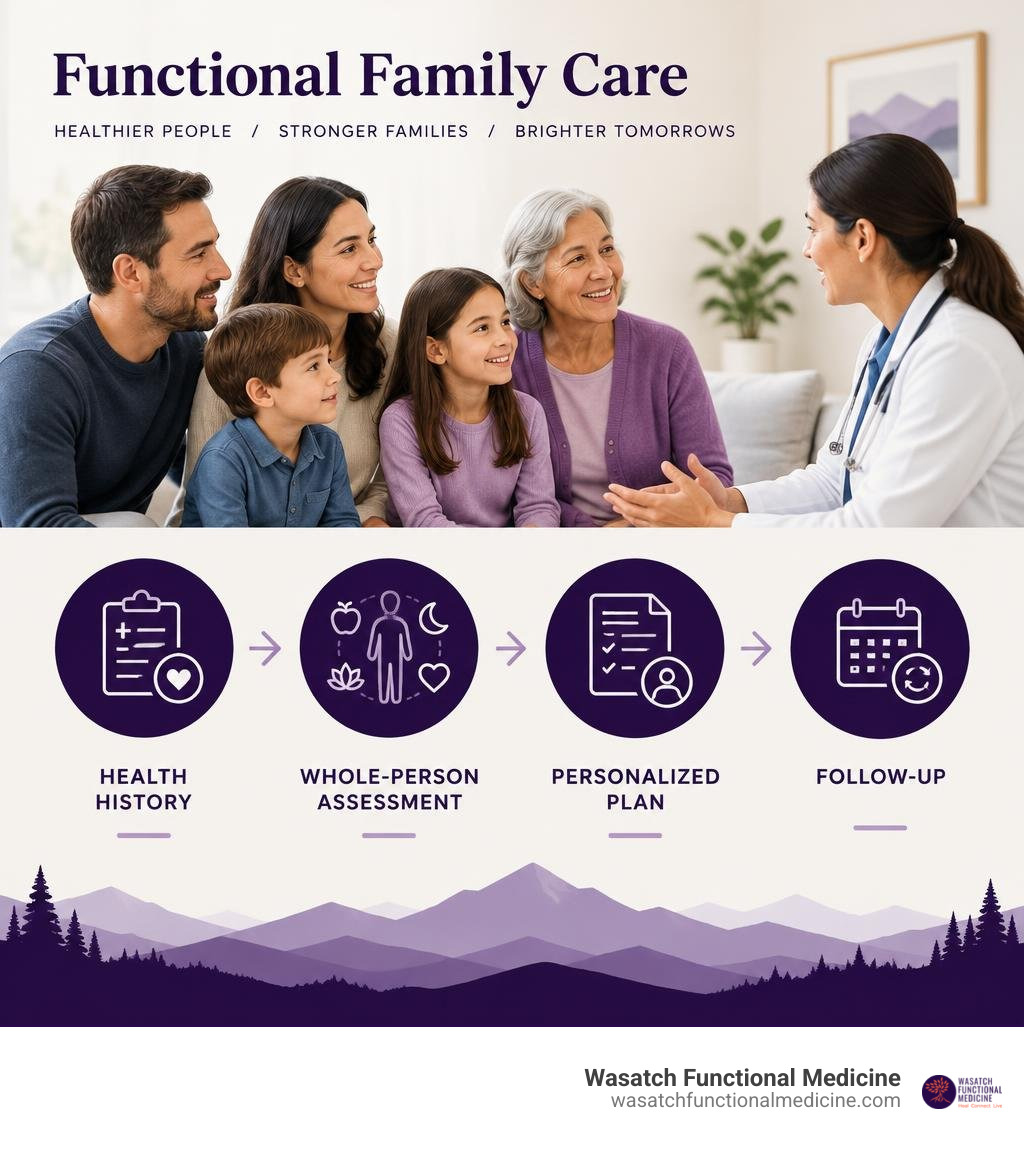
What Is a Functional Family Medicine Doctor?
Medical Credentials, IFM Certification, and Systems Biology
Many people wonder what sets this model apart from standard care. To put it simply, functional clinicians view the human body as an interconnected web rather than a collection of separate organs. Think of your body like a car: if the check-engine light comes on, unscrewing the light bulb does not fix the engine. You have to look under the hood to see what is really going on.
A functional family practitioner begins with standard medical training. These providers hold traditional degrees as Medical Doctors (MD) or Doctors of Osteopathic Medicine (DO), completing standard residencies, licensing examinations, and board certifications. On top of that rigorous foundation, they pursue advanced training through organizations such as the Institute for Functional Medicine (IFM).
The IFM network includes more than 3,690 active practitioner listings across 77 countries, with over 1,670 of those being fully licensed MDs or DOs (with roughly 78% practicing in the United States and 22% internationally). Clinicians earning credentials like the IFM Certified Practitioner (IFMCP) designation study systems biology—an evidence-informed method of examining how genetics, environment, diet, and lifestyle interact over a lifetime. Discovering why functional medicine is right for your family often starts with recognizing that your healthcare provider is taking the time to listen to your entire story.
Functional vs. Integrative vs. Holistic Care Models
It is easy to get confused by the terms used in modern wellness:
- Holistic Medicine: A broad philosophy that acknowledges the mind, body, and spirit in health. It emphasizes overall well-being but may not always incorporate conventional medical diagnostics.
- Integrative Medicine: Blends conventional therapies (like prescriptions and surgery) with complementary modalities (such as acupuncture, massage, or herbal therapies).
- Functional Medicine: Takes that integration a step further by using advanced diagnostic testing, systems biology, and health timelines to determine why a disease occurred in the first place.
While all three models prioritize the whole person, functional medicine is uniquely focused on identifying the root mechanisms driving dysfunction and crafting individualized protocols to reverse or manage them.
How Functional Medicine Principles Can Inform Family Healthcare Across All Ages
Conditions Addressed in Functional Family Medicine

Because functional care focuses on foundational cellular and metabolic health, it can address a wide variety of acute and chronic concerns across all life stages. Our clinical team at Wasatch Functional Medicine focuses on identifying underlying triggers for complex conditions.
Some of the most common issues managed with comprehensive functional medicine care include:
- Gut and Digestive Health: Irritable bowel syndrome (IBS), small intestinal bacterial overgrowth (SIBO), acid reflux, food intolerances, and microbiome imbalances.
- Autoimmune Disorders: Hashimoto’s thyroiditis, rheumatoid arthritis, celiac disease, psoriasis, and inflammatory bowel diseases.
- Hormone Imbalances: Polycystic ovary syndrome (PCOS), perimenopause and menopause transitions, thyroid sluggishness, and adrenal fatigue.
- Metabolic and Cardiovascular Concerns: Insulin resistance, prediabetes, metabolic syndrome, and lipid abnormalities.
- Pediatric and Adolescent Challenges: Chronic eczema, allergies, recurrent ear infections, mood dysregulation, and digestive issues.
- Systemic Fatigue and Mood Concerns: Chronic fatigue syndrome, brain fog, anxiety, and sleep disruptions.
Genetics, Nutrition, Lifestyle, and Mental Health
Your family’s health is shaped by genetics, but genes are not your absolute destiny. Through the science of epigenetics, lifestyle choices and environmental exposures act as switches that can turn certain genes on or off.
We evaluate the gut-brain axis, understanding that emotional stress and mental strain can alter gut flora, while an inflamed gut can directly trigger brain fog and mood swings. By addressing nutrition, sleep quality, toxic exposures, and everyday movement, we help families establish shared habits that support lasting wellness across generations.
Conventional Primary Care vs. Functional Family Practice
| Dimension | Conventional Primary Care | Functional Family Practice |
|---|---|---|
| Primary Focus | Acute symptom relief and disease management | Identifying and addressing root causes |
| Visit Duration | Typically 10 to 15 minutes | Thorough visits lasting 45 to 75+ minutes |
| Diagnostic Depth | Standard baseline lab panels (CBC, CMP, standard lipids) | Expanded biomarker panels, microbiome testing, and genetics |
| Treatment Tools | Pharmaceuticals and surgical referrals | Nutrition, lifestyle medicine, targeted nutraceuticals, and prescriptions |
| Patient Role | Passive recipient of instructions | Active, empowered partner in health decisions |
| Preventive Scope | Early disease detection through basic screenings | Proactive optimization of cellular and metabolic vitality |
To explore more articles comparing these modern healthcare strategies, visit our educational health blog.
Insurance Coverage, Cost Transparency, and Value
One of the most practical questions families ask is how functional medicine is funded. Standard primary care models often rely on high-volume insurance billing, which can force doctors to keep visits down to just a few minutes.
Because functional visits are longer and involve in-depth analysis, many functional clinics operate on a direct-pay or hybrid model. While baseline labs and conventional prescriptions are often covered by standard insurance or health savings accounts (HSAs and FSAs), specialized functional testing and extended consults may involve out-of-pocket costs.
Investing in proactive, root-cause care can help prevent costly chronic conditions down the road, offering meaningful long-term financial and physical value.
Navigating Clinical Visits, Chronic Illness, and Specialist Care
What to Expect When Visiting a Functional Family Medicine Doctor

Your first visit with a functional medicine provider is distinctly thorough. Long before you sit down in the exam room, you will complete an in-depth intake questionnaire detailing your birth history, environmental exposures, dietary habits, stress levels, and emotional well-being.
During the visit, your doctor will map out your health story using specialized tools:
- The Functional Medicine Timeline: Tracks your health journey chronologically from preconception to the present, pinpointing antecedents, triggers, and mediators of illness.
- The Functional Matrix: Categorizes your symptoms across biological systems, such as gut assimilation, immune defense, energy production, cellular communication, and detoxification.
- Advanced Functional Testing: Evaluates specialized biological markers (comprehensive stool analysis, organic acids, micronutrient levels, and advanced hormone testing) alongside traditional labs.
For more specifics on appointment formats and expectations, explore our frequently asked questions about care.
Chronic Illness Resolution, Conventional Integration, and Clinical Limitations
Functional medicine is especially helpful for people who have been told that their standard labs look normal, even while feeling unwell. By looking deeper at suboptimal lab ranges and early cellular stress, practitioners can often uncover answers that standard evaluations overlook.
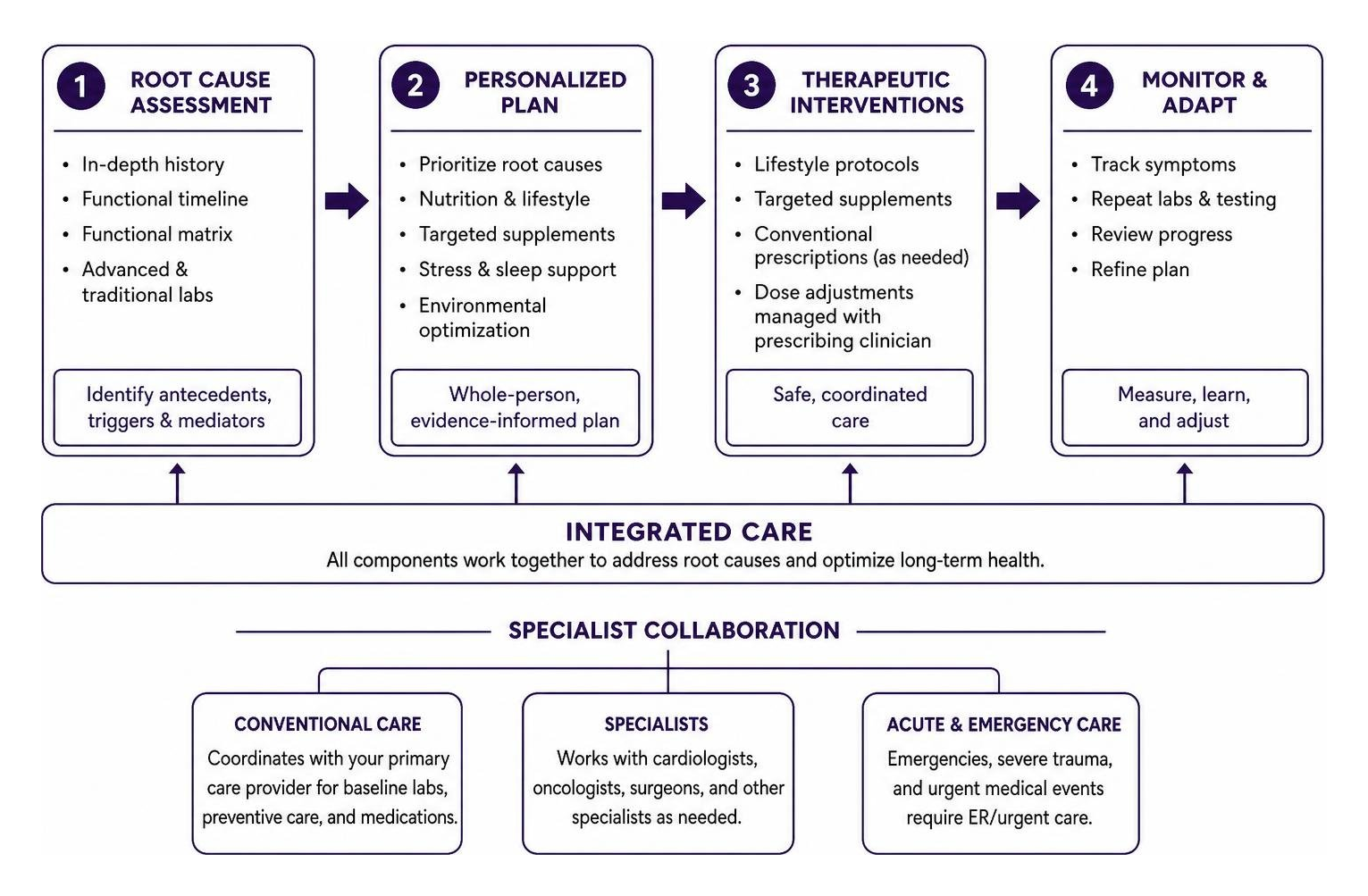
Functional medicine is designed to complement standard medical care, not replace it. Acute emergencies, severe trauma, and urgent medical events require immediate attention at conventional emergency rooms or urgent care centers.
A responsible functional doctor works in harmony with your cardiologists, oncologists, and surgeons. When medications are already prescribed, any dosage changes or tapers are carefully managed with the prescribing clinician while monitoring for contraindications and prioritizing patient safety.
Finding and Vetting the Right Practitioner for Your Household
Essential Questions to Ask and Credential Verification
Finding the right clinician for your household requires careful consideration. When interviewing prospective providers, consider asking:
- What are your primary medical credentials (MD, DO, NP, PA) and state licensing status?
- Have you completed formal functional medicine certification through the IFM or an equivalent accredited body?
- How much clinical experience do you have treating pediatric, adult, and geriatric patients?
- Do you offer telehealth appointments alongside in-person clinical visits?
- How do you collaborate with my existing conventional specialists and primary care providers?
- What is your pricing structure for consultations, follow-ups, and specialized functional lab kits?
To learn more about our experienced clinicians, visit our clinical team page.
Preventive Health and Long-Term Family Vitality
True preventive medicine is more than just running a test to see if a disease has already developed. It is about creating everyday resilience.
When parents optimize their energy, improve their sleep, and resolve digestive issues, they naturally model healthy habits for their children. By instilling balanced nutrition, regular movement, and healthy stress-management practices in the home, families can build a lasting foundation for multi-generational health.
Frequently Asked Questions About Functional Family Care
How can functional medicine principles inform children’s and adolescents’ health?
Children often show imbalances through their skin, digestive tract, behavior, or immune system. By looking at diet, food sensitivities, gut flora, and environmental triggers, functional medicine addresses issues such as pediatric eczema, chronic constipation, recurrent infections, and focus challenges without relying solely on temporary symptom relief.
How does functional care coordinate with conventional medications?
Functional medicine providers view pharmaceutical therapies as one tool among many. If a prescription medication is necessary, it is used thoughtfully alongside dietary and lifestyle interventions. If lifestyle improvements eventually reduce the need for a medication, any dosage reductions are coordinated responsibly with the prescribing clinician to maintain safety.
How long does it take to see measurable health improvements?
Chronic health challenges often take years to develop, and true cellular recovery requires patience and consistency. While many patients notice improvements in digestion, sleep, and daily energy within the first few weeks of making dietary changes, deeper hormonal, metabolic, and autoimmune healing typically unfolds over three to twelve months of steady care and follow-up.
Conclusion
Standard healthcare is often structured around rushed appointments and quick symptom suppression. Choosing a whole-person approach helps you understand what your body needs to genuinely heal. Located in South Ogden, Utah, Wasatch Functional Medicine is dedicated to uncovering the root causes of chronic illness and helping your family thrive.
When you are ready to take control of your health journey, contact our team to learn more about our personalized functional medicine programs and start building lasting wellness for your household.