

How to Treat Suspected Intestinal Candida Overgrowth
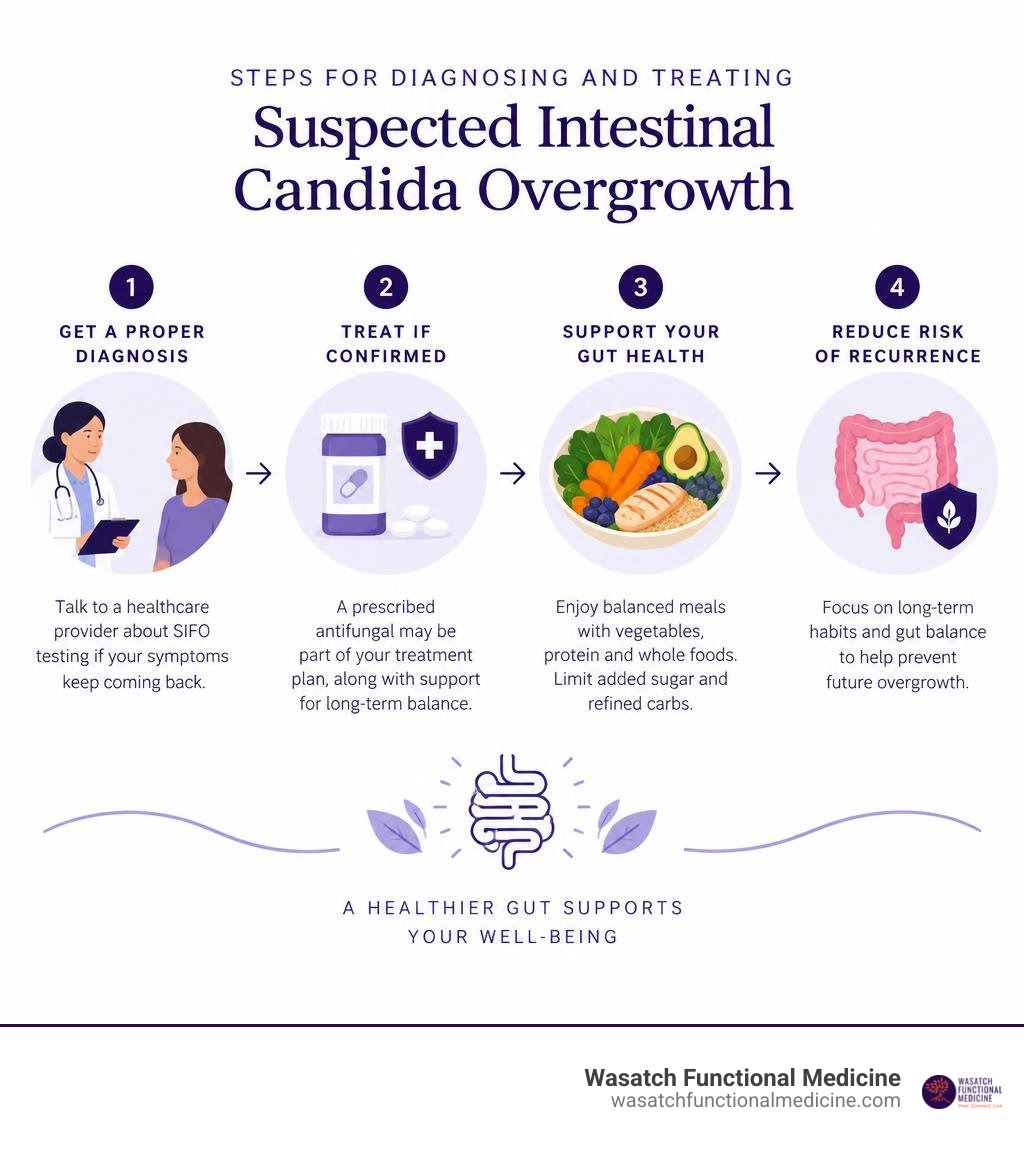
Start with a diagnosis, not a cleanse. Bloating and other gut symptoms have many possible causes. If they keep coming back, ask a healthcare provider whether testing for small intestinal fungal overgrowth (SIFO) makes sense. If it is confirmed, treatment may include a prescribed antifungal and care for factors that raise your risk of recurrence.
While you seek answers, build meals around vegetables, protein, and other whole foods, and cut back on added sugar and refined carbs. That can support your health, but no diet has been proven to clear intestinal Candida on its own. The goal is to treat a real problem without blaming every gut symptom on yeast.
Introduction
Inside every human digestive tract lives a bustling ecosystem of trillions of microorganisms, collectively known as the gut microbiome. While bacteria get most of the spotlight, fungi also play a normal role in this biological community. Among these resident microbes is Candida albicans, a commensal yeast that typically lives peacefully alongside beneficial bacteria on your skin, in your mouth, and throughout your gastrointestinal tract.
Under healthy circumstances, a robust immune system and balanced bacterial colonies keep Candida tightly controlled. However, when disruptions occur—such as frequent antibiotic use, chronic stress, or diets packed with processed sugars—this harmless yeast can morph into an opportunistic pathogen. This shift leads to fungal dysbiosis, where yeast cells multiply uncontrollably and transition from single oval cells into invasive filaments called hyphae.
These fungal hyphae can burrow into the delicate mucosal lining of your gut, compromising intestinal permeability (often called leaky gut). Once embedded, Candida albicans secretes candidalysin, a specialized cytolytic peptide toxin that damages intestinal epithelial cells, triggers systemic inflammation, and exhausts your immune defenses.
Understanding how to address this balance is essential. Let us explore how intestinal fungal issues develop, how to spot the signs, and how evidence-based nutritional and clinical therapies work together to restore gut harmony.
Understanding Intestinal Candida Overgrowth and SIFO
When people discuss yeast infections, they usually picture superficial conditions like oral thrush or vaginal candidiasis. However, fungal overgrowth can also take root deep inside the digestive system. In clinical practice, this is increasingly recognized as small intestinal fungal overgrowth, or SIFO.
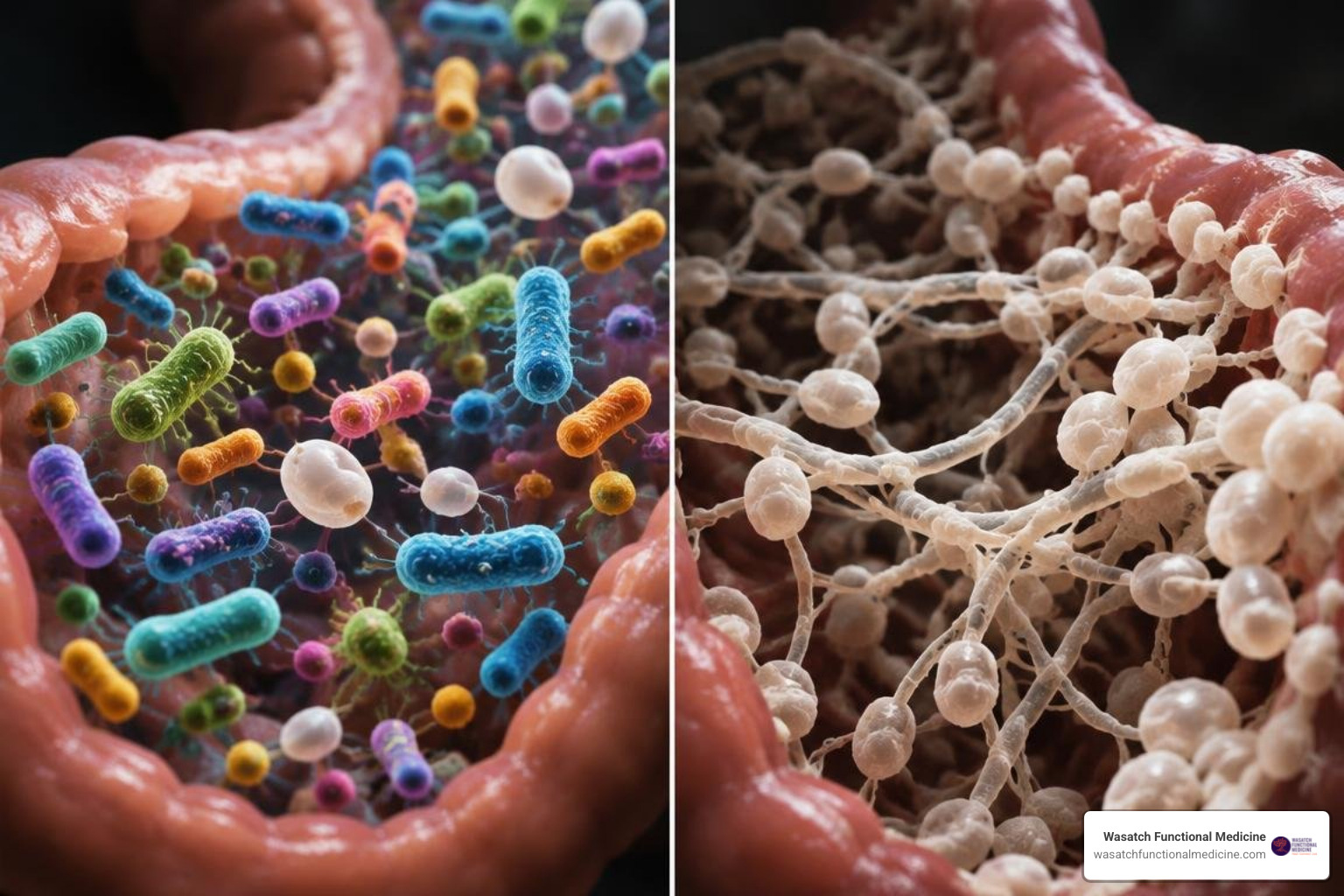
Research into SIFO and gut health insights shows that approximately 25% of individuals suffering from unexplained gastrointestinal distress actually have small intestinal fungal overgrowth. Strikingly, over 97% of the fungal organisms identified in these cases belong to Candida species.
Unlike the large intestine, which naturally houses a dense population of microbes, the small intestine is meant to have relatively low microbial counts. When significant Candida colonization occurs in the upper digestive tract, it interferes with normal enzymatic digestion and nutrient absorption.
The symptoms of SIFO frequently mimic other gastrointestinal disorders, creating diagnostic confusion. Common upper gastrointestinal symptoms include:
- Persistent abdominal bloating and abdominal distension shortly after meals
- Chronic gas, belching, and indigestion
- Nausea and vague upper abdominal discomfort
- Unpredictable bowel habits, alternating between loose stools and diarrhea
- Profound post-meal fatigue and brain fog
In more severe cases, fungal overgrowth can extend upward into the upper digestive tract. Recognizing the symptoms of esophageal candidiasis—such as painful swallowing (odynophagia), difficulty swallowing (dysphagia), persistent heartburn, and chest pain—is vital for preventing complications like esophageal narrowing or systemic spread.
Proper diagnostic testing remains critical. While conventional gastroenterology often relies on upper endoscopy with small bowel aspirates or tissue biopsies to confirm fungal overgrowth, modern clinical assessments also look at oral-gut connections. Because oral strains frequently mirror intestinal populations, non-invasive cheek swabs and comprehensive stool assessments are emerging as practical screening tools to evaluate overall fungal burden.
Dietary Protocols to Starve Candida and Restore Gut Balance
Diet serves as a foundational pillar in recovering from fungal dysbiosis. While changing your food intake alone will rarely eradicate an entrenched fungal colony, what you eat directly influences how quickly yeast can replicate and whether your beneficial bacteria can thrive.
A key 2013 nutritional study demonstrated that high Candida colonization correlates strongly with diets rich in carbohydrates, whereas colonization drops significantly among individuals consuming diets higher in amino acids, dietary protein, and healthy fatty acids.
Because yeast cells ferment simple sugars for rapid fuel, eliminating refined carbohydrates, high-fructose corn syrup, sweets, and processed flours removes their primary growth substrate. At the same time, increasing your intake of quality proteins and essential fatty acids provides the cellular building blocks necessary to repair the damaged mucosal barrier.
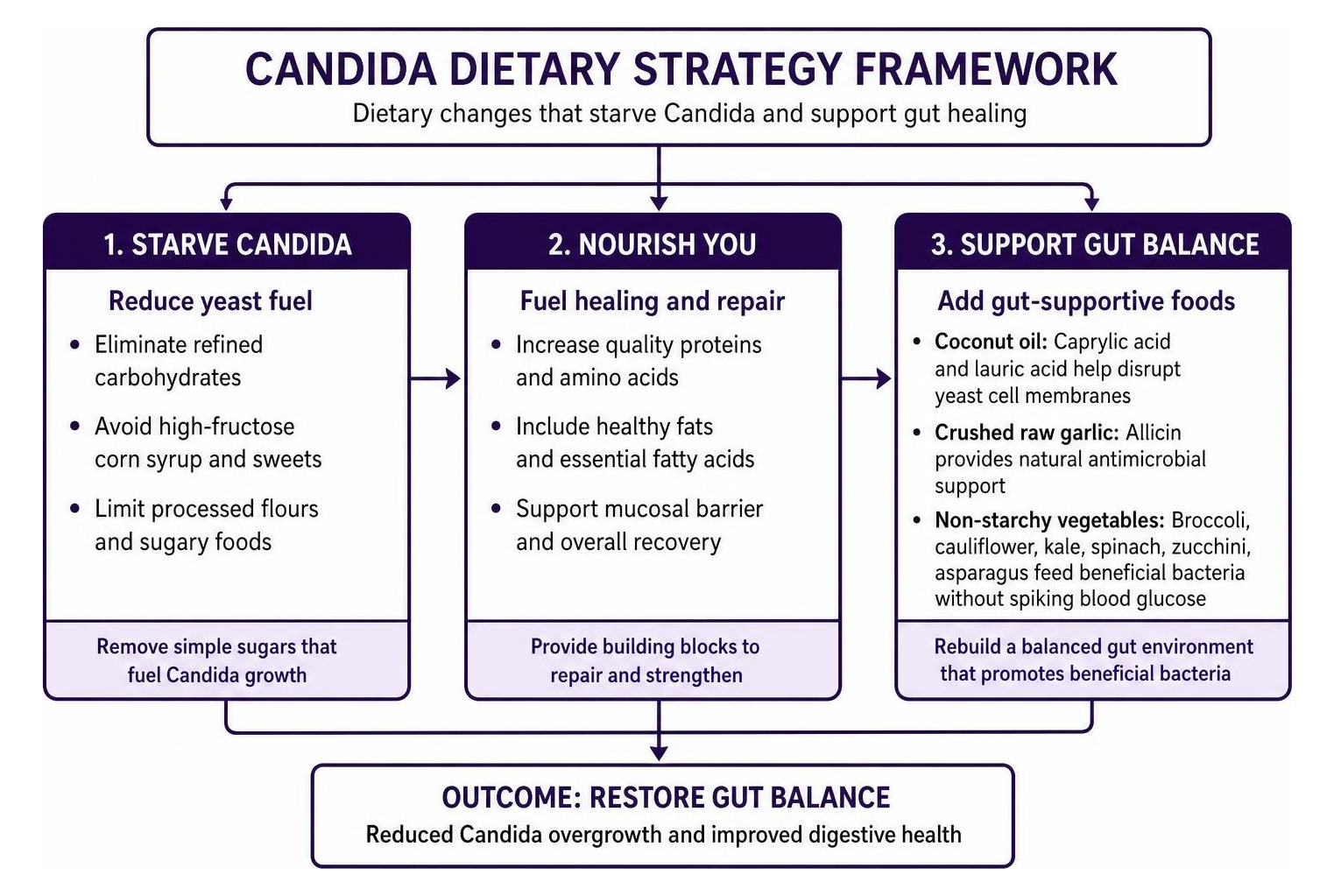
To support this transition, we emphasize incorporating specific functional foods with natural antifungal and gut-supportive properties:
- Coconut oil: Rich in caprylic acid and lauric acid, medium-chain triglycerides that have been shown to disrupt yeast cell membranes.
- Crushed raw garlic: Packed with allicin, a potent antimicrobial compound formed when fresh garlic is chopped or crushed.
- Non-starchy vegetables: Broccoli, cauliflower, kale, spinach, zucchini, and asparagus provide prebiotic fiber to nourish beneficial bacteria without spiking blood glucose.
- Polyphenol-rich foods: Green tea, wild blueberries, rosemary, and oregano deliver protective plant compounds that reduce intestinal inflammation.
- Cultured foods: Plain, unsweetened fermented foods like Greek yogurt provide competitive bacterial cultures that inhibit fungal adherence.
For detailed recipe inspiration and gut-friendly meal plans, explore the educational nutrition guides on our blog.
| Food Category | Candida-Cleansing Foods (Eat Freely) | Foods to Eliminate (Avoid) |
|---|---|---|
| Proteins | Pasture-raised poultry, wild fish, grass-fed beef, eggs | Processed deli meats with added dextrose, breaded meats |
| Vegetables | Leafy greens, broccoli, Brussels sprouts, asparagus, celery | High-glycemic starchy vegetables in excess (e.g., corn, potatoes) |
| Fats & Oils | Extra virgin olive oil, virgin coconut oil, avocados, ghee | Refined seed oils (canola, soybean, corn oil), margarine |
| Carbohydrates | Moderate low-glycemic berries, chia seeds, flaxseeds | Refined sugar, pastries, white bread, sweetened cereals |
| Beverages | Herbal teas, filtered water, bone broth, lemon water | Soda, sweetened fruit juices, energy drinks, alcohol, beer |
| Condiments | Apple cider vinegar, fresh garlic, turmeric, ginger, oregano | Sweet BBQ sauces, high-sugar ketchup, sweetened salad dressings |
Evidence-Based Candida Overgrowth Treatment and Antifungal Protocols
Achieving lasting digestive wellness requires a comprehensive strategy that pairs dietary adjustments with targeted therapeutic interventions. A truly effective candida overgrowth treatment protocol combines anti-yeast agents with therapies that rebuild microbial diversity.
Recent medical breakthroughs highlight the profound connection between fungal management and gut health. Fascinating antifungal therapy research for gut dysbiosis published by researchers studying inflammatory bowel disease (IBD) showed that reducing intestinal Candida burdens using systemic antifungals significantly remodeled the gut microbiome.
Patients who cleared intestinal yeast experienced marked increases in overall bacterial diversity and a surge in short-chain fatty acids—particularly butyrate production. Butyrate serves as the primary fuel source for colon cells, reinforcing the gut barrier and dampening systemic inflammation.

Prescription and Clinical Candida Overgrowth Treatment
Conventional pharmaceuticals remain a crucial first-line defense for severe fungal overgrowth or confirmed mucosal infections:
- Systemic Fluconazole: An oral azole antifungal that inhibits the synthesis of ergosterol, an essential component of the fungal cell membrane. In clinical trials of IBD patients with fungal dysbiosis, a two-week course of systemic fluconazole effectively decreased intestinal Candida counts and lowered clinical disease activity scores during an eight-week follow-up period.
- Oral Nystatin: A non-absorbable polyene antifungal that works locally within the gastrointestinal lumen. A landmark four-week, double-blind, placebo-controlled study of 116 patients demonstrated that nystatin produced modest, statistically significant improvements in chronic yeast symptoms compared to placebo.
- Echinocandins (e.g., Caspofungin): Intravenous agents reserved for severe, systemic, or invasive candidiasis in hospital settings.
- Targeted Topicals and Suppositories: For localized mucosal issues, standard vaginal yeast infection treatments such as short-course topical azoles (miconazole, terconazole) or single-dose oral fluconazole resolve mild to moderate infections within 2 to 7 days.
Because superficial infections affect up to 75% of women at least once, accurate diagnosis ensures that pharmaceutical treatments are utilized appropriately without fostering drug resistance.
Herbal and Natural Candida Overgrowth Treatment Strategies
For mild-to-moderate SIFO or individuals seeking integrative options, botanical antimicrobials offer broad-spectrum activity against fungal dysbiosis:
- Oregano Oil (Carvacrol & Thymol): Contains volatile oils that break down fungal cell walls and prevent hyphal formation.
- Berberine: An alkaloid found in plants like Hydrastis canadensis (Goldenseal) and Berberis aristata that inhibits fungal adherence and exhibits antimicrobial synergy.
- Grapefruit Seed Extract (GSE): Rich in bioflavonoids that disrupt yeast membrane integrity.
- Undecylenic Acid: A fatty acid derived from castor bean oil that prevents Candida from switching into its invasive fungal form.
- Biofilm Disruptors: Fungi often construct protective matrices (biofilms) composed of extracellular polysaccharides that shield them from medications and immune cells. Enzymes such as cellulase, hemicellulase, serrapeptase, and N-acetylcysteine (NAC) help break down these protective barriers.
- Die-Off Mitigation and Liver Support: When yeast cells are rapidly destroyed, they release intracellular metabolic waste products, including acetaldehyde, which can cause temporary flu-like symptoms, headaches, and fatigue (the Herxheimer reaction). Supporting liver clearance with milk thistle (silymarin), molybdenum, and adequate hydration helps mitigate these die-off reactions.
Restoring the Microbiome and Preventing Recurrence
Clearing excess yeast is only half the battle; preventing its return requires restoring competitive microbial balance and reinforcing the physical barriers of the digestive tract.
Probiotic supplementation plays an indispensable role during and after antifungal protocols:
- Saccharomyces boulardii: A non-pathogenic, transient probiotic yeast that secretes caprylic acid and competes directly with Candida albicans for mucosal binding sites, preventing fungal colonization.
- Lactobacillus and Bifidobacterium Species: Strains such as Lactobacillus rhamnosus GG, Lactobacillus acidophilus, and Bifidobacterium lactis produce lactic acid and hydrogen peroxide, lowering intestinal pH to create an inhospitable environment for yeast while promoting epithelial tight-junction integrity.
Mucosal repair requires targeted nutritional support. L-glutamine, zinc carnosine, deglycyrrhizinated licorice (DGL), and marshmallow root soothe irritated mucous membranes, helping close gaps in the intestinal barrier and reducing systemic immune reactivity.
Finally, lifestyle factors wield immense influence over fungal dynamics:
- Blood Sugar Regulation: Elevated blood glucose provides an continuous fuel source for yeast. Balancing meals with fiber, protein, and healthy fats prevents postprandial glucose spikes.
- Stress Reduction: Chronic psychological stress elevates cortisol, which suppresses secretory IgA (the primary antibody defending your mucosal surfaces) and alters intestinal motility.
- Sleep Hygiene: Getting 7 to 9 hours of restorative sleep each night optimizes cellular repair, supports immune surveillance, and regulates metabolic function.
Frequently Asked Questions About Candida Overgrowth
Addressing fungal dysbiosis requires diagnostic clarity and individualized root-cause resolution. For additional information regarding clinical evaluations, review our clinic’s frequently asked questions.
How long does candida overgrowth treatment typically take?
Recovery timelines vary based on the chronicity and location of the overgrowth. Mild, superficial candidiasis (such as uncomplicated oral thrush or vaginal yeast infections) typically resolves within 2 to 7 days following targeted antifungal medication.
Conversely, chronic intestinal SIFO or systemic fungal dysbiosis generally requires a structured 6-to-12-week protocol. A typical clinical roadmap involves 2 to 4 weeks of active antifungal intervention (pharmaceutical or botanical), followed by 4 to 8 weeks of focused microbiome remodeling, mucosal repair, and dietary stabilization.
Can dietary changes alone clear intestinal candida overgrowth?
While dietary modification is an essential cornerstone of care, simple carbohydrate restriction alone is rarely sufficient to clear an established intestinal fungal overgrowth.
Candida albicans possesses adaptable survival mechanisms; when deprived of glucose, it can utilize alternative carbon sources, enter metabolic dormancy, or burrow deeper into intestinal tissues. Synergistic intervention—combining a nutrient-dense, low-sugar whole-food diet with proven antifungal agents and targeted probiotics—yields significantly higher success rates than diet alone.
What is the difference between intestinal SIFO and typical candidiasis?
Typical candidiasis usually refers to localized, superficial infections on external or easily accessible mucosal surfaces, such as vaginal yeast infections, cutaneous skin fold rashes, or oral thrush. These respond quickly to topical or short-course oral therapies.
Intestinal SIFO involves fungal colonization localized specifically within the lumen of the small intestine. It causes complex malabsorptive and digestive symptoms—such as severe post-meal bloating, nutrient deficiencies, and altered motility—and requires systemic or targeted non-absorbable gastrointestinal therapies rather than simple surface treatments. It is also distinct from invasive candidiasis (candidemia), a life-threatening bloodstream infection that occurs primarily in critically ill or severely immunocompromised hospitalized patients.
Conclusion: Achieving Long-Term Gut Harmony
Intestinal fungal overgrowth is a real, measurable condition that can disrupt your digestive function, drain your daily energy, and challenge your overall well-being. However, you do not have to navigate the cycle of restrictive diets and recurring symptoms on your own. Lasting gut harmony comes from identifying the underlying drivers of dysbiosis, utilizing evidence-based antifungal strategies, and methodically rebuilding a diverse, resilient microbiome.
At Wasatch Functional Medicine in South Ogden, Utah, we specialize in root-cause digestive care. Our practitioners design personalized gut health protocols tailored to your unique biochemistry, genetics, and lifestyle needs.
Schedule your consultation for comprehensive functional medicine or contact us today to take your first step toward lasting digestive vitality and microbiome balance.