

How to Find a Functional Medicine Doctor You Can Trust
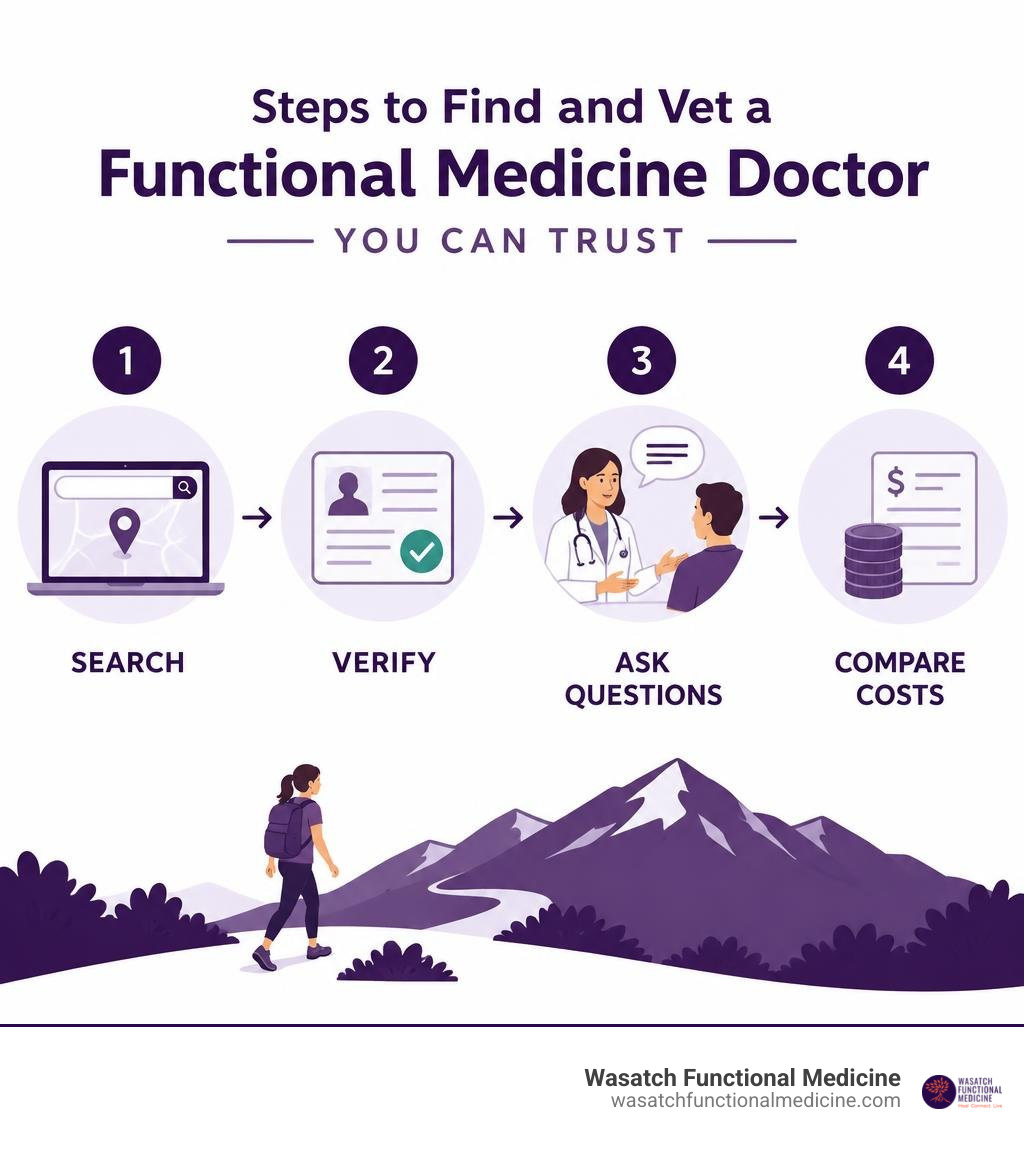
Here’s how to find a functional medicine doctor: search the Institute for Functional Medicine’s practitioner directory by location, then check each clinician’s license with your state medical board. Before booking, ask about their experience with your health concern, what a first visit costs, and whether they offer in-person or telehealth care.
If you’re dealing with ongoing gut, hormone, or autoimmune symptoms, look for someone who takes time to understand your history and works alongside your existing care team. A good fit should explain their approach clearly, including why they recommend any tests or treatments.
Understanding Functional Medicine vs. Conventional Healthcare
Navigating modern healthcare often feels like moving down an assembly line. In conventional primary care settings, appointments average just 18 minutes. In that brief window, a clinician must review vital signs, enter notes, and provide an intervention—frequently resulting in a prescription to manage immediate symptoms rather than identifying what caused them.
Meanwhile, chronic illness has reached unprecedented levels. The Centers for Disease Control and Prevention reports that 6 in 10 American adults live with a chronic health condition, and 4 in 10 manage two or more. When you are balancing fatigue, brain fog, digestive issues, and joint pain, standard protocols often fall short because they divide the body into isolated specialties instead of examining how systems interact.
Functional medicine operates on systems biology. We view the human body as an interconnected web rather than a collection of separate organs. Instead of asking what drug matches a specific symptom, functional clinicians ask why that symptom developed in the first place. Understanding why functional medicine is right for your health goals starts with recognizing that true wellness requires investigating lifestyle, genetics, and environment.
| Feature | Conventional Primary Care | Functional Medicine |
|---|---|---|
| Primary Goal | Acute symptom suppression & disease management | Root-cause resolution & whole-body optimization |
| Consultation Length | 15–18 minutes | 60–90 minutes (comprehensive intake) |
| Diagnostic Model | Standard reference ranges for disease detection | Optimal biomarker ranges for early dysfunction |
| Interventions | Pharmaceuticals, acute surgery, standardized protocols | Nutrition, lifestyle, targeted nutraceuticals, medications |
| Patient Relationship | Practitioner-driven, episodic | Collaborative, long-term partnership |
When exploring what a functional medicine doctor does, you will find that appointments often last between 60 and 90 minutes. This extended time allows clinicians to review your comprehensive medical history from birth to the present day.
The Core Differences in Root-Cause Care
In root-cause medicine, we look beneath superficial symptoms to understand upstream triggers. A symptom like chronic migraines or skin flare-ups is rarely just a local issue—it is often an outward sign of systemic imbalance.
Our clinical focus centers on several key physiological foundations:
- Gut Microbiome Health: Over 70% of the immune system resides in the gut. Microbiome dysbiosis, intestinal permeability, and food sensitivities frequently drive systemic inflammation.
- Endocrine and Hormone Balance: Thyroid, adrenal, and reproductive hormones function in delicate harmony. Subtle imbalances can lead to severe fatigue, sleep disturbances, and metabolic slowdowns.
- Autoimmune Drivers: Autoimmunity involves underlying immune system confusion, often triggered by chronic infections, gut disruption, or environmental exposures.
- Environmental Toxicities: Heavy metals, mold mycotoxins, and endocrine-disrupting chemicals can place significant burdens on natural detoxification pathways.
- Lifestyle and Epigenetics: Nutrition, sleep hygiene, movement, and stress regulation directly influence genetic expression.
By integrating these areas into comprehensive functional medicine care, clinicians help patients shift from managing illness to restoring vitality.
How to Find a Functional Medicine Doctor for Chronic Illness
Finding the right clinician is crucial if you are living with conditions like Hashimoto’s thyroiditis, chronic fatigue syndrome, fibromyalgia, or unresolved digestive distress. Standard lab tests often come back “normal” because their reference ranges are designed to detect acute pathology rather than functional decline.
When you learn how to find a functional medicine doctor who specializes in complex chronic conditions, you gain access to targeted biomarker testing and root-cause strategies that identify subtle metabolic, immune, and hormonal dysfunctions before they become irreversible.
Step-by-Step Guide on How to Find a Functional Medicine Doctor
Finding an experienced clinician requires an organized approach. Because the term “functional medicine” is not federally protected, any health practitioner can market themselves under this banner after taking an introductory weekend seminar. A structured search ensures you connect with a properly credentialed expert.

To simplify your search, follow this systematic evaluation process:
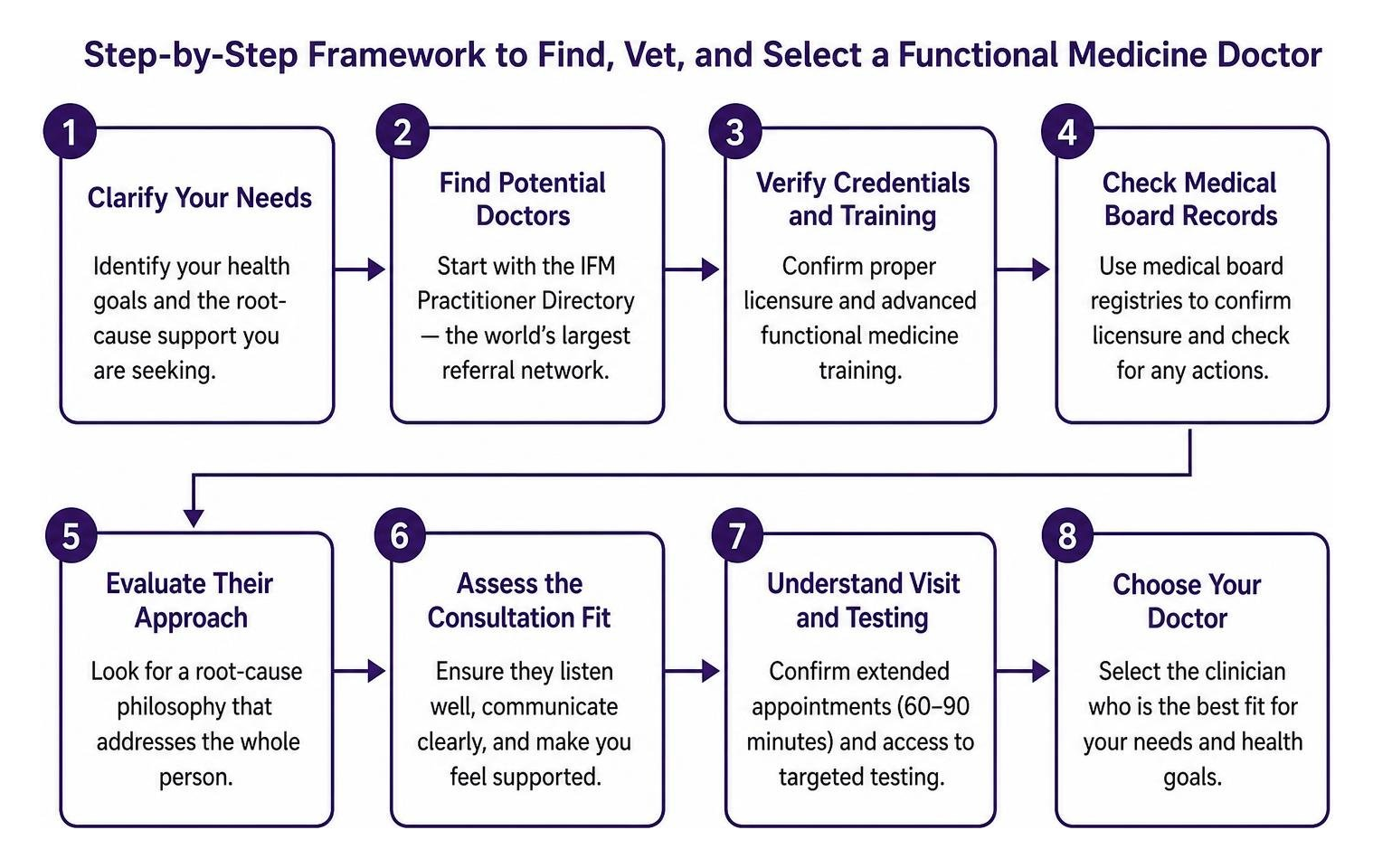
A thorough physician search guide can help you systematically verify clinician backgrounds, clinical hours, and diagnostic philosophies.
Utilizing the IFM Directory and Medical Board Registries
The primary resource for your search is the Institute for Functional Medicine (IFM) practitioner directory. The IFM maintains the world’s largest referral network, featuring over 3,690 active practitioner listings across 77 countries, with 78% based in the United States.
To use this directory effectively:
- Apply Geographic and Specialty Filters: Search by your zip code or state, and filter by your specific health focus (such as gastroenterology, endocrinology, or autoimmunity).
- Prioritize Certified Practitioners: Look for clinicians with the IFMCP (Institute for Functional Medicine Certified Practitioner) credential.
- Cross-Check with State Medical Boards: Never skip state license verification. Visit your state’s medical licensing portal to confirm that the practitioner holds an active, unencumbered license (such as an MD, DO, NP, or PA) with no pending disciplinary actions.
Taking time to explore your choices can help when rethinking primary care options and building a healthcare team that genuinely supports your goals.
Evaluating In-Person Clinics vs. Telehealth Practices
The growth of digital health has expanded access to functional medicine. If you live in an area with few local providers, telehealth can be an excellent option. However, both delivery models have distinct advantages:
- In-Person Care: Ideal for complex cases that require physical exams, abdominal palpation, neurological assessments, or on-site therapies. Establishing an in-person relationship provides valuable diagnostic context.
- Telehealth Practices: Remote consultations eliminate travel, provide flexible scheduling, and widen your access to top specialists nationwide. When choosing telehealth, confirm that the clinician is licensed to practice in your home state to ensure legal lab ordering and prescription management.
How to Vet Credentials and Spot Critical Red Flags
While over 94,000 clinicians have completed foundational functional medicine coursework over the past 35 years, only a select group has completed rigorous certification. When seeking compassionate functional practitioners, verifying credentials ensures you receive safe, evidence-informed care.
Essential Certifications: MD, DO, and IFMCP
Understanding the alphabet soup of medical credentials helps set realistic expectations:
- MD (Medical Doctor) and DO (Doctor of Osteopathic Medicine): These physicians hold full prescriptive authority, extensive residency training, and hospital privileges. Over 1,670 active listings in the IFM network are conventional medical doctors.
- NP (Nurse Practitioner) and PA (Physician Assistant): Advanced practice providers who can diagnose, manage treatment plans, order advanced labs, and prescribe medications (depending on state regulations).
- IFMCP (IFM Certified Practitioner): Roughly 2,800 clinicians worldwide hold this gold-standard credential as of 2026. Earning it requires completing seven advanced training modules, passing a rigorous written exam, and submitting an approved clinical case study.
How to Find a Functional Medicine Doctor Without Falling for Red Flags
Because functional medicine often operates outside traditional insurance networks, patients can sometimes encounter predatory marketing. Protect your time and finances by watching for these warning signs:
- Guaranteed Cures: No ethical medical professional can guarantee complete resolution of complex chronic illness within a fixed timeframe.
- Excessive Upfront Lab Testing: Be cautious of clinics that require thousands of dollars in proprietary tests before an in-person or virtual consultation.
- High-Pressure Supplement Sales: Recommending targeted, high-grade nutraceuticals is common, but you should never be pressured into multi-thousand-dollar supplement subscriptions.
- Hostility Toward Conventional Care: Functional medicine works best when it complements conventional diagnostics and emergency care. A practitioner who insists you immediately stop all prescription medications without consulting your prescribing doctor is a serious red flag.
Financial Considerations: Costs, Insurance, and Lab Testing
One of the most practical questions patients have is how much functional medicine costs. Because functional practitioners spend hours reviewing detailed histories and interpreting extensive lab panels, most operate on a fee-for-service or direct-pay model rather than relying on insurance billing codes.
To budget effectively, consider these average cost ranges:
- Initial Intake Consultations: Typically range from $300 to $800 for a comprehensive 60-to-90-minute evaluation.
- Hourly Follow-Up Rates: Average $400 to $500 per hour, usually billed in 30-to-45-minute increments ($150 to $350 per visit).
- Year-One Investment: Most patients spend between $2,500 and $6,000 in their first year, covering consultations, specialized diagnostics, and targeted supplements.
For a clearer breakdown of local healthcare expenses and planning, see our patient guide to regional functional healthcare.
Out-of-Pocket Expenses, Superbills, and HSA/FSA Coverage
Even within direct-pay practices, you can often offset out-of-pocket costs:
- Superbills: Many practices provide an itemized superbill containing standard diagnosis (ICD-10) and procedure (CPT) codes that you can submit to your private insurer for out-of-network reimbursement.
- HSA/FSA Funds: Health Savings Accounts and Flexible Spending Accounts generally cover clinical consultation fees and standard diagnostic tests.
- Medicare Part B: While Medicare Part B may cover qualifying physician visit codes, it does not reimburse for non-covered specialty functional tests or wellness memberships.
Navigating Advanced Functional Lab Costs
Functional diagnostics provide valuable insights into underlying imbalances. To keep expenses manageable, your clinician should prioritize the most relevant tests for your symptoms:
- Comprehensive Stool Testing: Evaluates gut microbiome diversity, inflammation, digestion efficiency, and potential pathogens ($350–$500).
- Salivary and Urinary Hormone Mapping: Provides a dynamic view of cortisol rhythms and sex hormone metabolites throughout the day ($250–$400).
- Advanced Micronutrient and Metabolic Panels: Measures intracellular vitamin, mineral, and antioxidant levels along with organic acids ($300–$600).
Whenever possible, an experienced practitioner will order baseline blood panels through conventional laboratories so that your standard health insurance covers those components.
Preparing for Your Initial Appointment to Maximize Value
Your first appointment is a collaborative deep dive into your health history. Preparing your information in advance helps your doctor focus on finding answers and designing a targeted treatment plan.

Organizing Health Histories, Biomarkers, and Symptom Timelines
To make the most of your initial consultation, take these practical preparation steps:
- Complete Intake Forms Thoroughly: Functional medicine intakes are comprehensive. Take time to fill out every section, including details on childhood illnesses, stress history, and environmental exposures.
- Build a Chronological Symptom Timeline: Outline major life milestones alongside when specific symptoms first appeared. This often highlights key triggers, such as periods of high stress, mold exposure, or antibiotic use.
- Consolidate Past Lab Records: Gather previous lab results, imaging reports, and specialist notes from the past two to three years into a single folder or PDF.
- Catalog All Supplements and Medications: Write down exact dosages, brand names, and why you are taking each item.
- Define Your Primary Health Goals: Clearly identify what success looks like for you—whether that is restoring energy to play with your children, resolving daily bloating, or balancing your hormones.
Frequently Asked Questions About Finding a Functional Medicine Provider
How much does a functional medicine doctor cost per year?
The total first-year investment typically ranges from $2,500 to $6,000. This estimate includes the initial intake ($300–$800), regular follow-up visits ($150–$350 each), specialty laboratory testing ($600–$1,500), and targeted, high-purity nutritional supplements.
Does health insurance cover functional medicine visits?
Most functional medicine clinicians operate outside of standard insurance networks to offer extended, personalized visits. However, conventional blood work is often covered by insurance, and clinics can provide itemized superbills for potential out-of-network reimbursement. You can also use HSA and FSA funds for eligible clinical appointments and medical diagnostics.
Can I order functional medicine labs without seeing a doctor first?
Yes, direct-to-consumer lab testing platforms allow patients to order baseline panels independently. While ordering labs on your own can provide helpful baseline data, working with a trained functional practitioner is essential for correctly interpreting subtle biomarker shifts and building a safe, effective treatment plan.
Conclusion
Finding the right functional medicine practitioner is an empowering step toward resolving persistent symptoms and reclaiming your vitality. By checking professional credentials, verifying licenses, watching for common red flags, and preparing your health timeline in advance, you can partner with a clinician who listens carefully and investigates the root causes of your health concerns.
At Wasatch Functional Medicine, we provide personalized, root-cause medical care—specializing in gut health, autoimmune conditions, hormone optimization, and chronic disease—alongside professional health coaching. When you are ready to move beyond temporary fixes and build a sustainable plan for long-term wellness, we invite you to schedule a personalized functional medicine consultation with our dedicated team in South Ogden, Utah.